


Workshop on Edible
Mycorrhizal
Mushrooms



Workshop on Edible
Mycorrhizal
Mushrooms
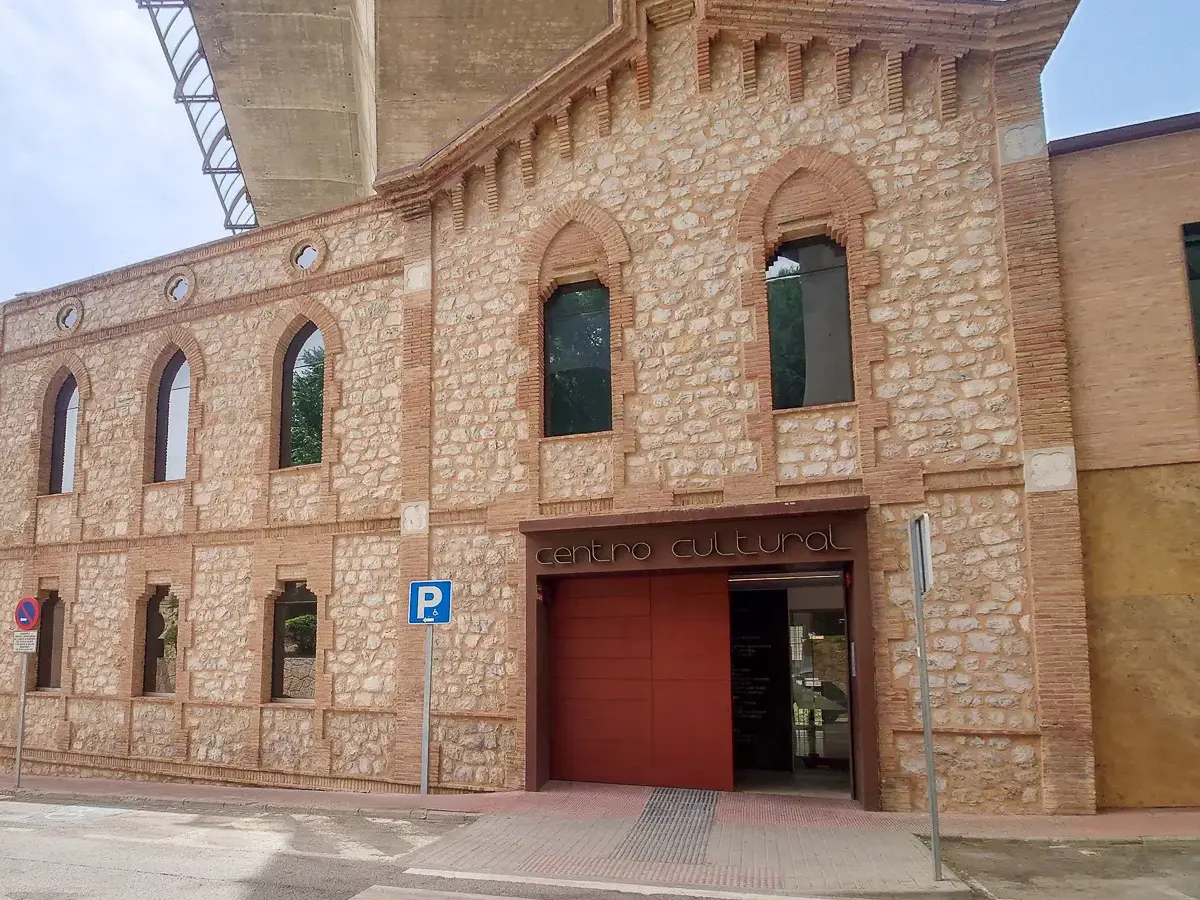
Venue Teruel: Centro Socio-cultural de San Julián. – Carretera de San Julián 14, 44003 – Teruel
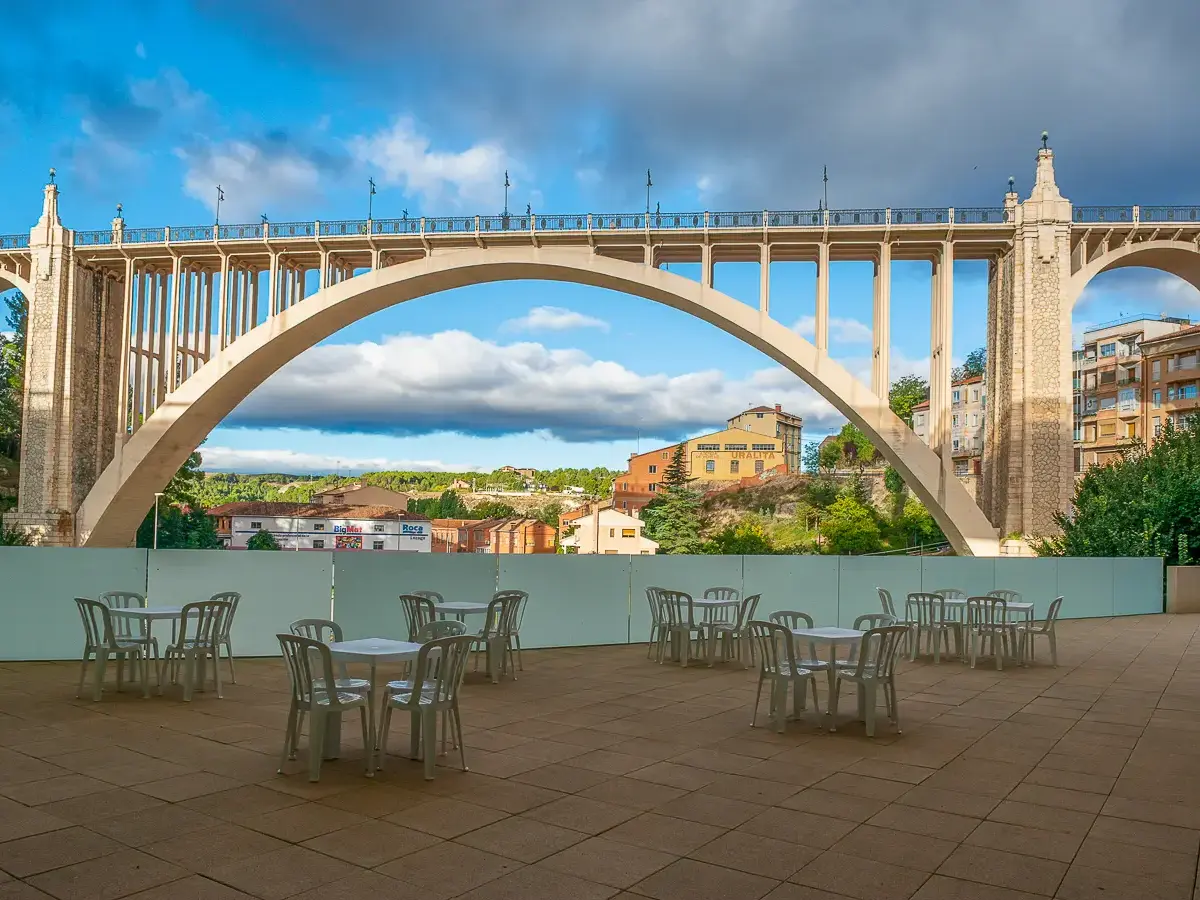
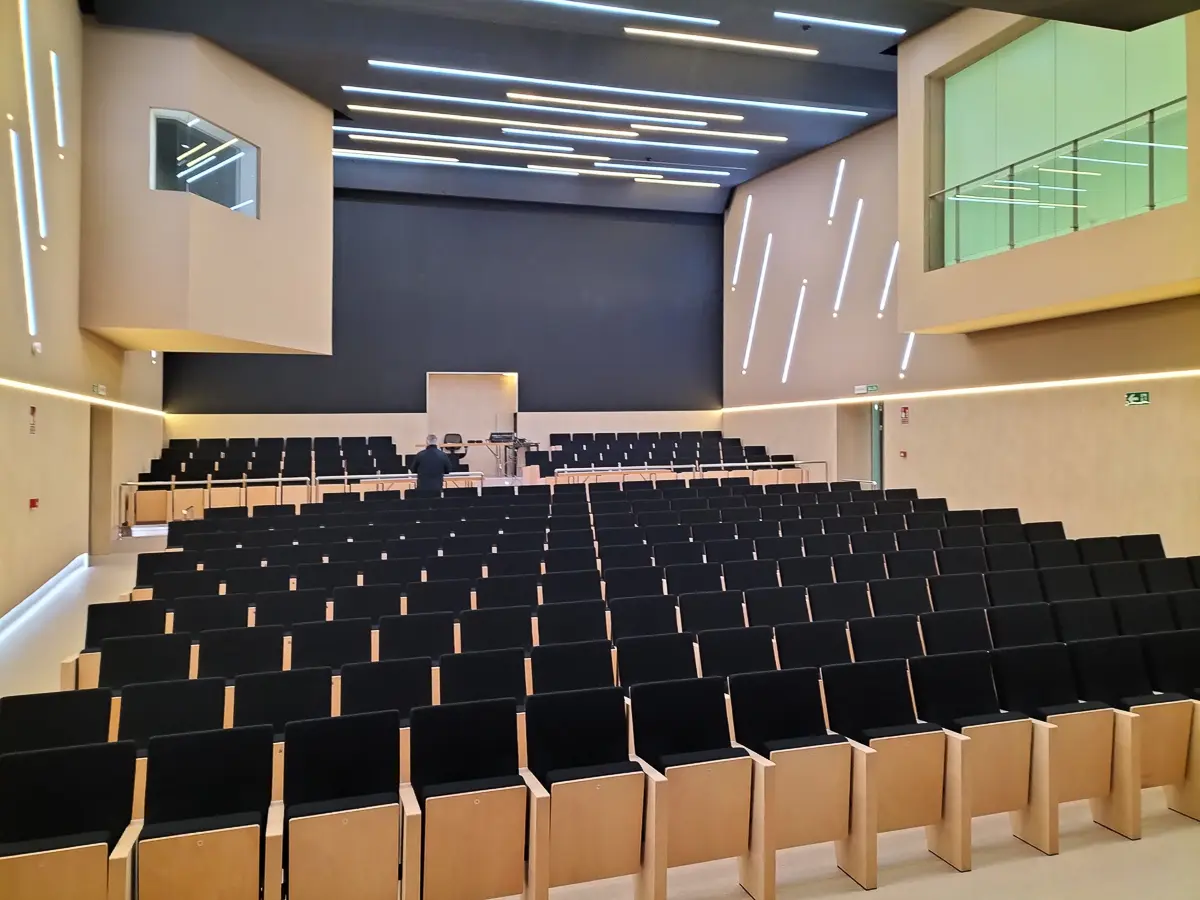
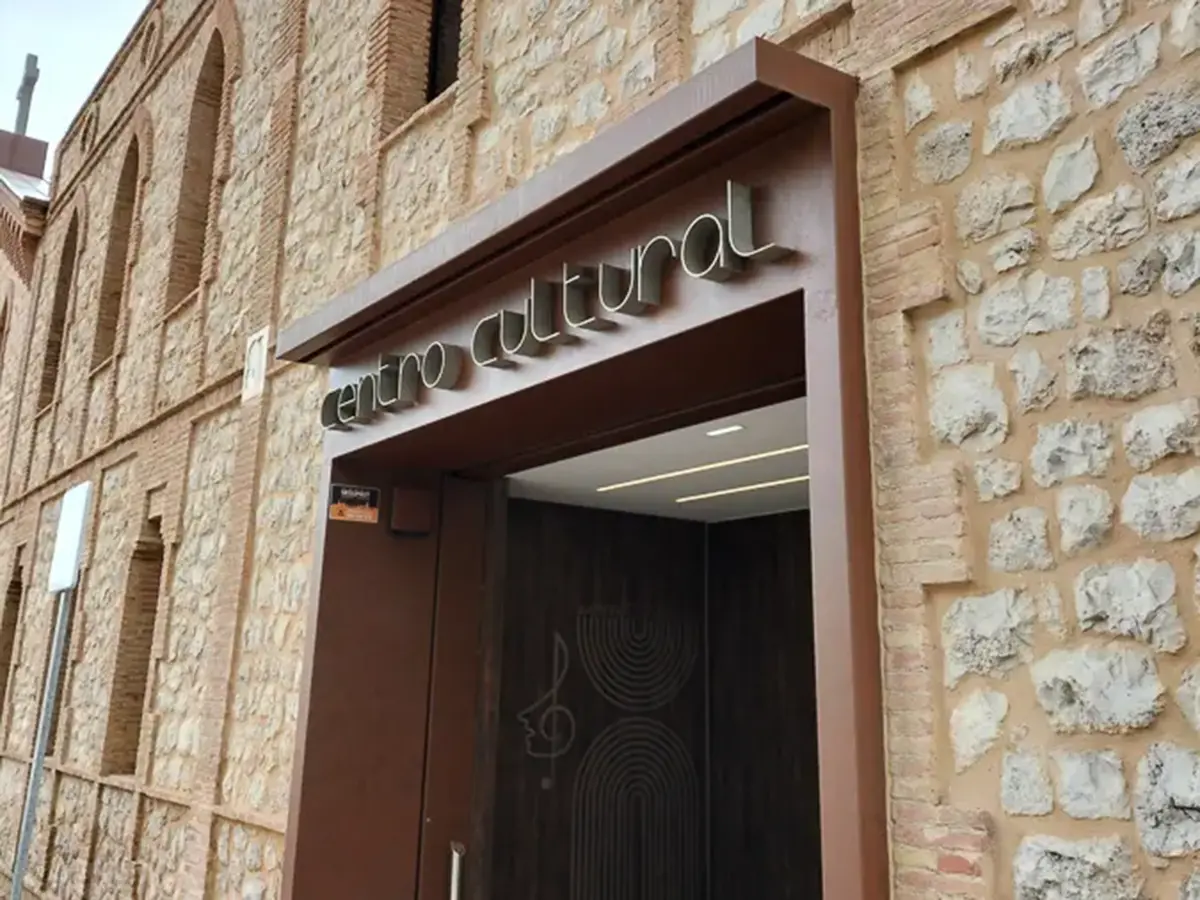
Monday | April 12 | Teruel
Venue: Centro Sociocultural de San Julián • Carretera de San Julián 14, 44003 • Teruel
Registration and Opening
10:00 h
Participant Registration and Welcome Coffee
11:00 – 11:30 h
Official opening ceremony
Session 1 – Biodiversity, Ecology, Evolution, Genetics and Genomics
This session explores the biological and ecological foundations of edible mycorrhizal fungi, including their diversity, ecological roles, evolutionary processes, population genetics and advances in genomics. It provides an updated view of how species are structured across landscapes, how they adapt to environmental gradients and how genomic tools are reshaping our understanding of fungal evolution, symbiosis and functional traits. The session highlights the scientific basis needed to support conservation, sustainable use and future biotechnological applications.
11:30 – 12:00 h
Keynote lecture
12:00 – 13:00 h
Oral presentations (6)
13:30 – 14:30 h
Lunch
15:00 – 17:00 h
Oral presentations (8)
17:30 – 18:30 h
Poster session / Citizen Workshops
19:30 h
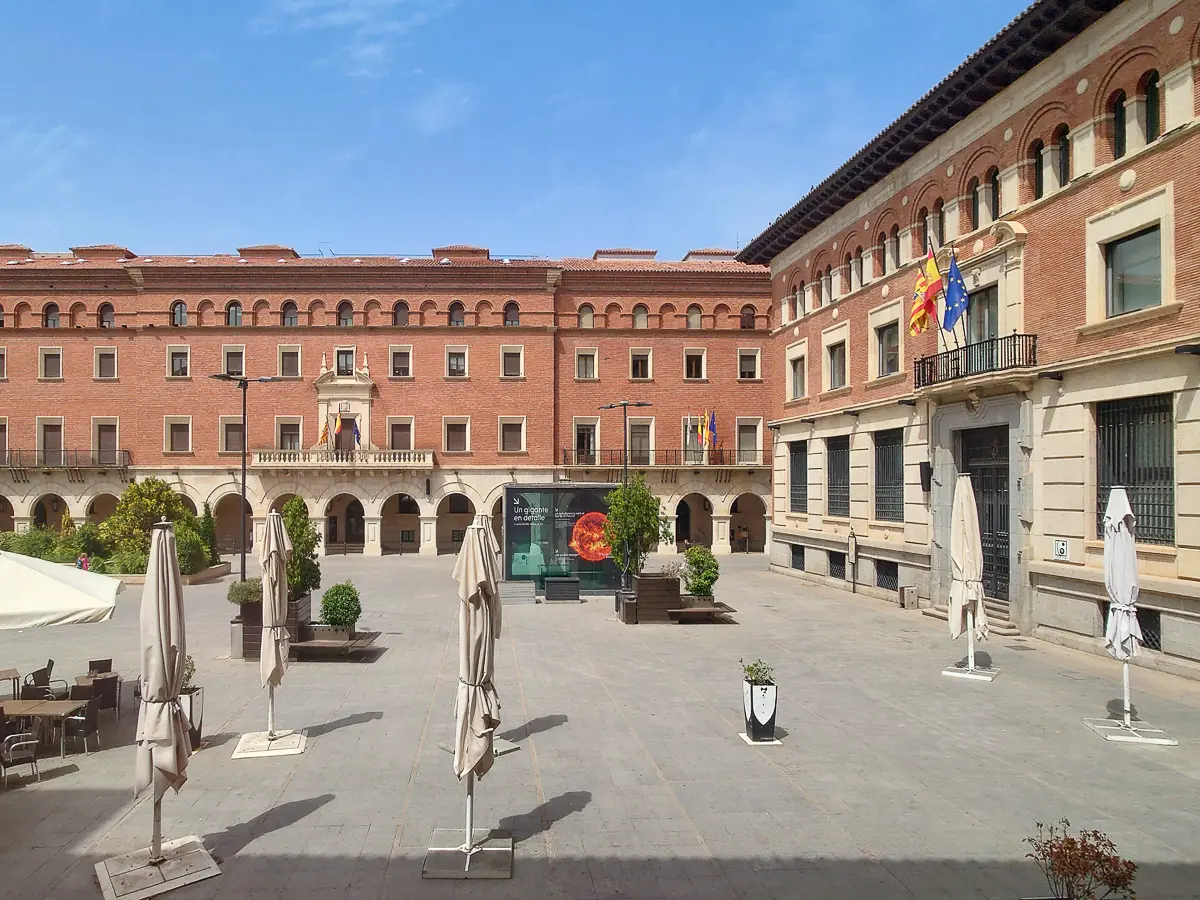
Guided city tour of Teruel and Official reception at the Teruel City Hall
Tuesday | April 13 | Teruel
Venue: Centro Sociocultural de San Julián • Carretera de San Julián 14, 44003 • Teruel
Session 2 – Citizen Science, Conservation, Participatory Mycology and Cooperation Networks
This session focuses on citizen‑science initiatives, conservation actions, participatory mycology and international cooperation networks that contribute to monitoring, managing and valuing mycological resources. It examines how local communities, volunteers and organised groups generate high‑quality data, strengthen conservation strategies and reinforce territorial governance. The session also explores collaborative digital platforms, shared protocols and cross‑border partnerships that enhance knowledge exchange and long‑term stewardship of fungal ecosystems.
9:00 – 9:30 h
Keynote lecture
9:30 – 11:00 h
Oral presentations (6)
11:00 – 11:30 h
Coffee break
11:30 – 13:00 h
Oral presentations (6)
13:30 – 14:30 h
Lunch
Session 3 – Cultural Ecosystem Services: Mycotourism, Rural Development, Ethnomycology and Biocultural Heritage
This session explores the cultural ecosystem services provided by fungi and their relevance for rural development. It highlights how mycotourism, traditional knowledge, gastronomy and biocultural heritage contribute to territorial identity, community well‑being and diversified local economies. The session also examines how cultural narratives, educational initiatives and participatory approaches strengthen conservation, promote sustainable land‑use practices and position fungi as key elements of rural innovation and cultural continuity.
15:00 – 15:30 h
Keynote lecture
15:30 – 17:00 h
Oral presentations (6)
17:30 – 18:30 h
Poster session / Citizen Workshops
19:30 h
Official reception at the Teruel City Hall
Wednesday | April 14 | Visit to the Teruel Truffle Experiential Park (Field Trip)
8:30 h
Departure from Paseo del Óvalo
Teruel Official congress buses will depart from Paseo del Óvalo, a central and easily accessible meeting point located beside the Óvalo viewpoint and the escalators connecting the upper and lower parts of the city. All official buses are equipped with onboard restroom facilities.
9:30 h
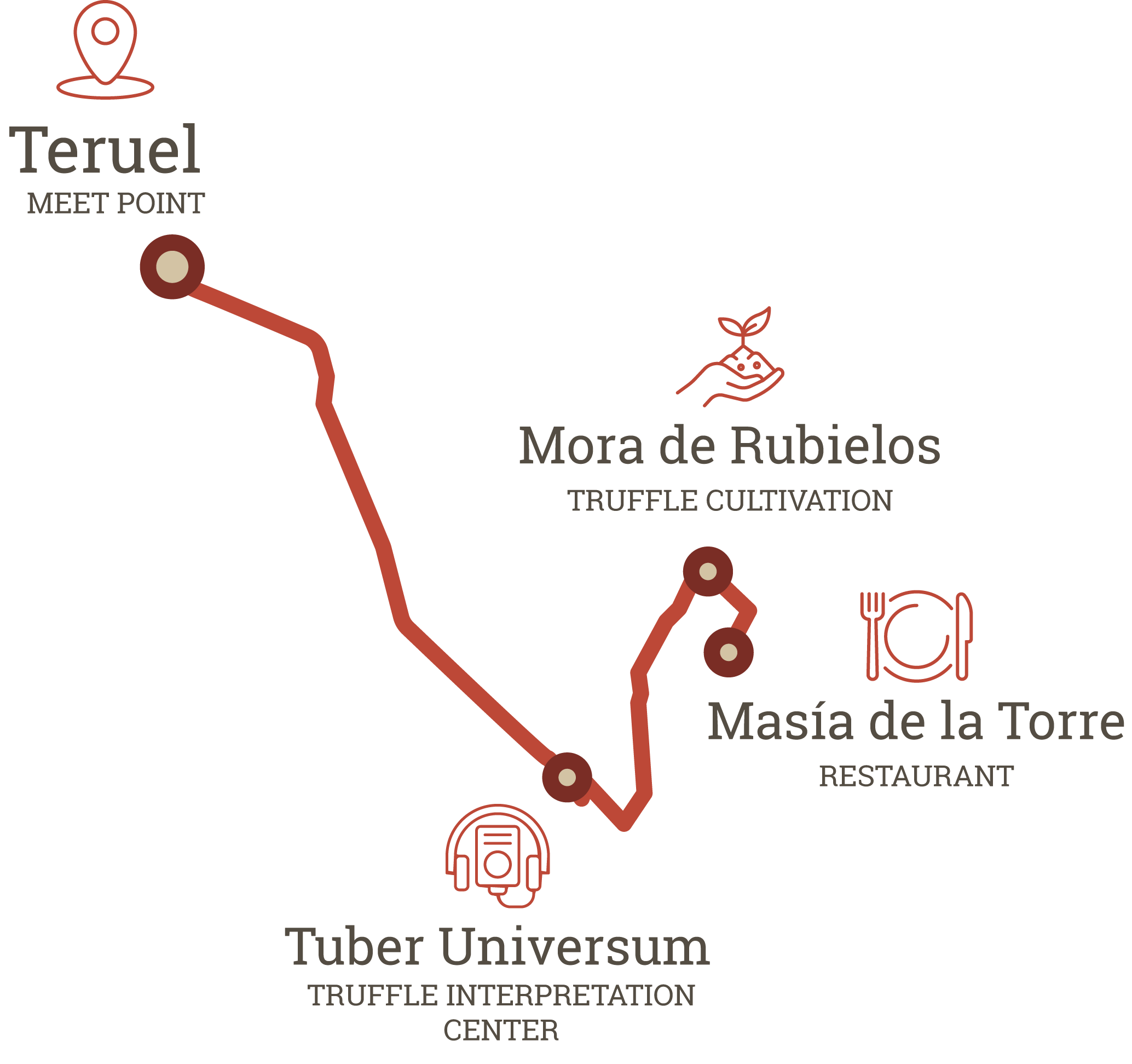
Arrival at Tuber Universum, Sarrión
Guided visit to Tuber Universum, an interpretation centre dedicated to the biology, ecology, culture and economy of the black truffle. The experience offers an immersive introduction to the world of Tuber melanosporum through sensory stations, audiovisual resources and interpretive materials explaining symbiosis, truffle landscapes and associated cultural heritage. We will meet representatives of the Teruel Truffle Growers Association (Atruter) and the Regulatory Council of the PGI “Black Truffle of Teruel”, the first truffle ever recognised by the European Union with a Protected Geographical Indication, marking a historic milestone for the sector. This designation certifies that the truffle’s quality, reputation and characteristics are closely linked to the province of Teruel, and that its production follows strict standards supervised by an official Regulatory Council. They will present their activities and current initiatives. Coffee break and short rest stop before continuing with the technical program.
11:00 h
Bus tour through the truffle landscape of Teruel
We will begin a bus route from Sarrión to Mora de Rubielos to explore how truffle cultivation has transformed more than 11,000 hectares of formerly unproductive land into successful black truffle plantations—today the world’s leading production area. We will arrive at the emblematic Castle of Mora de Rubielos, a medieval fortification from the 12th century, where we will meet the Cofradía de la Trufa Negra de Teruel and the diverse ecosystem of companies linked to the truffle sector.
13:30 h
Special institutional luncheonn
Special institutional luncheon at Masía de la Torre, with participants enjoying a convivial atmosphere in an establishment specialising in truffle tourism, located in the heart of a productive truffle plantation and surrounded by characteristic truffle landscapes.
15:30 h
Awards Ceremony
16:30 h
Return to Teruel Return trip to Teruel (40 minutes) and free time.
Thursday | April 15 | Teruel
Venue: Centro Sociocultural de San Julián • Carretera de San Julián 14, 44003 • Teruel
Session 4 – Truffle Cultivation and Cultivation of Other Mycorrhizal Fungi
This session focuses on the science and technology of truffle cultivation and the cultivation of other mycorrhizal fungi. It covers plantation design, mycorrhized plant quality, irrigation strategies, soil management, competition control and production models adapted to climate change. The session also presents new research on physiology, phenology, yield variability and cultivation innovations, offering a comprehensive view of current challenges and future directions for the truffle sector and other mycorrhizal crops.
9:00 – 9:30 h
Keynote lecture
9:30 – 11:00 h
Oral presentations (6)
11:00 – 11:30 h
Coffee break
11:30 – 13:00 h
Oral presentations (6)
13:30 – 16:30 h
Lunch
15:00 – 17:30h
Oral presentations (8)
17:30 – 18:30 h
Poster session / Citizen Workshops
19:30 h
Cultural visit or event
Friday | April 16 | Teruel
Venue: Centro Sociocultural de San Julián • Carretera de San Julián 14, 44003 • Teruel
Session 5 – Mycosilviculture, Management, Climate Change and Resilience
This session examines how forest management influences the productivity of mycorrhizal mushrooms and how these systems respond to climate change. It integrates research on silvicultural treatments, soil processes, stand dynamics and adaptive strategies designed to maintain fungal productivity under increasing climatic stress. The session emphasises resilience‑based approaches, long‑term monitoring and management innovations that support both ecological function and the socio‑economic value of forest‑based mycorrhizal resources.
9:00 – 9:30 h
Keynote lecture
9:30 – 11:00 h
Oral presentations (6)
11:00 – 11:30 h
Coffee break
11:30- 13:00 h
Oral presentations (6)
13:30 – 14:30 h
Lunch
Session 6 – Mycotechnologies, Agri‑food and Health
This session explores technological and biotechnological applications of mycorrhizal fungi in food, health, agriculture and the bioeconomy. It presents advances in bioactive compounds, functional ingredients, fermentation processes, biostimulants and innovative products derived from mycorrhizal systems. The session highlights emerging opportunities for industry, the role of fungi in sustainable production models and the potential of mycotechnology to address global challenges in nutrition, health and environmental resilience.
15:00 – 15:30 h
Keynote lecture
15:30 – 17:00 h
Oral presentations (6)
17:30 – 18:15 h
Scientific Committee Discussions and Conclusions
18:15 – 19:00 h
Distinctions to the three best oral communications and to the five best poster presentations of the congress
19:30 h
Cultural visit or event
Saturday | April 17 | Visit to the Albarracín Community Mycological Park (Field Trip)
8:30 h
Departure from Paseo del Óvalo
Teruel Official congress buses will depart from Paseo del Óvalo, a central and easily accessible meeting point located beside the Óvalo viewpoint and the escalators connecting the upper and lower parts of the city. All official buses are equipped with onboard restroom facilities.
9:30 – 11:00 h
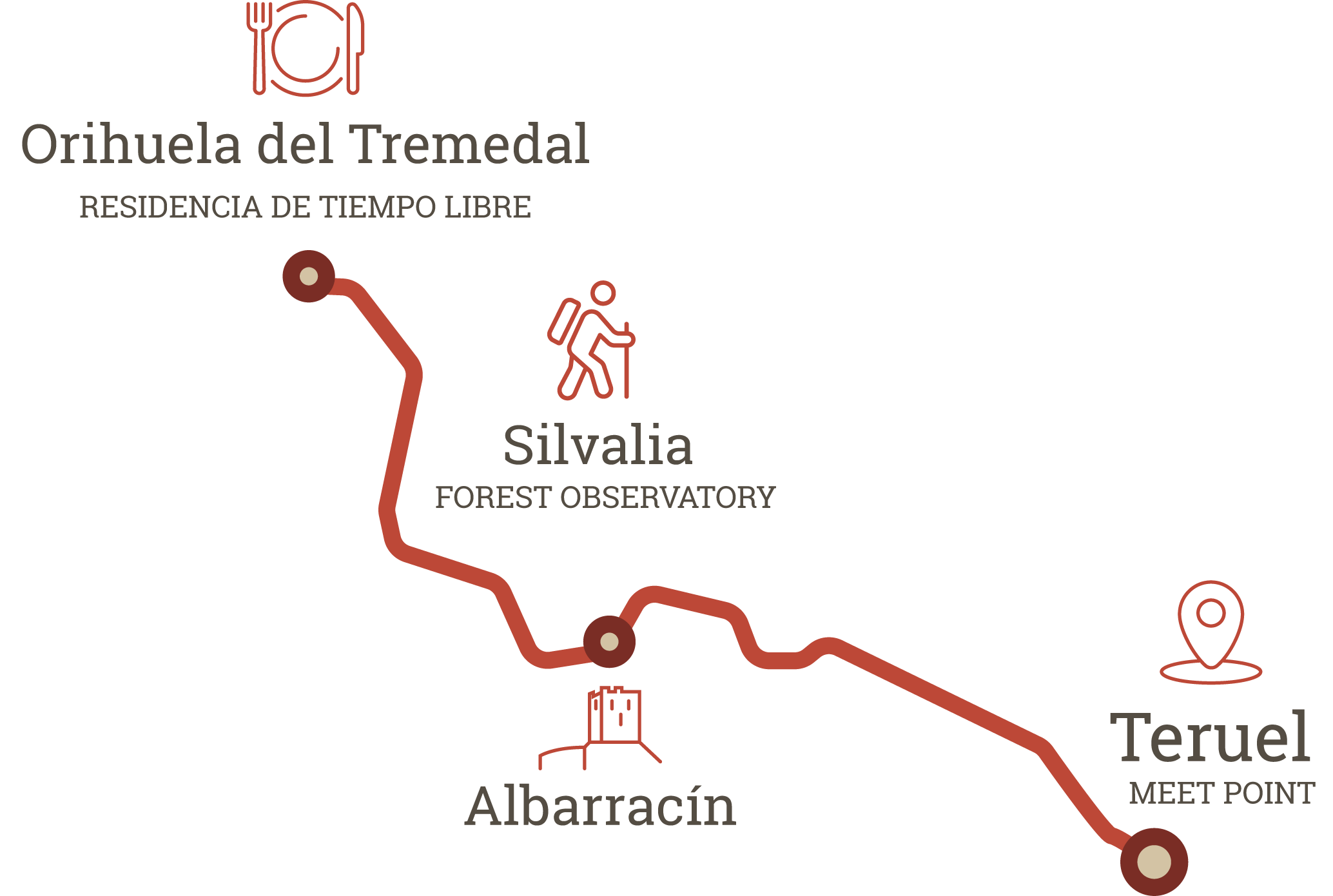
Albarracín, Silvesterra, Setas de Origen
Arrival in Albarracín, one of Spain’s most emblematic medieval towns, renowned for its fortified walls, narrow winding streets and characteristic pink sandstone architecture. Participants will take a short walking tour through the historic centre, passing through its medieval streets and squares. Meeting with the Teruel Wild Mushroom Harvesters Association (Silvesterra) and presentation of the Setas de Origen brand and its certified products, based on high‑quality local fungi harvested by expert mushroom harvesters. Coffee break and optional restroom stop.
12:00 – 13:30 h
Pinus sylvestris Pine Forests Producing Edible Mushrooms Silvalia Experimental Site & Albarracín Community Mycological Park
Technical visit to Silvalia, the experimental site established in 2012 to study the ecosystem services generated by fungi. Participants will meet landowners, managers and researchers involved in the Albarracín Community Mycological Park, one of the parks integrated into the EMI’s Fungi Friendly Forest initiative and one of the most visited and productive mycological parks in Spain, thanks to its extensive Pinus sylvestris forests and their high yield of edible wild mushrooms. The visit will include an explanation of the experimental devices, monitoring systems and long‑term research plots used to evaluate fungal productivity, biodiversity and forest–fungus interactions.
14:15 h
Lunch in Orihuela del Tremedal
Lunch in a forest setting at the Residencia del Tiempo Libre, located in the highlands of Orihuela del Tremedal.
16:00 h
End of Congress and Departure Options Participants may choose among three return or continuation options:
Option 1: Return to Teruel (approx. 50 minutes).
Option 2: Transfer to Madrid Airport (approx. 2 h 42 min). This option is currently under consideration and will depend on the number of interested participants. Advance registration will be required, and the service will have an additional cost not included in the congress fee.
Option 3: Start of the post‑congress tour.