

Workshop on Edible
Mycorrhizal
Mushrooms

Workshop on Edible
Mycorrhizal
Mushrooms
The International Workshop on Edible Mycorrhizal Mushrooms (IWEMM) was conceived during the 1st International Conference on Mycorrhizae (ICOM1) in Berkeley in 1996. Its first edition, IWEMM1, took place in 1998 in Uppsala, Sweden, aligned with ICOM2. Two further editions followed the same pattern: IWEMM2 in Christchurch, New Zealand(1998), and IWEMM3 at Victoria University, British Columbia, Canada (2003), each held close in time to the ICOM meetings but in separate venues.
A major turning point came with IWEMM4 in Murcia, Spain (2005), which gathered more than 120 participants from over 20 countries and became fully independent from ICOM5. This edition introduced a new emphasis on rural development, consolidating IWEMM as a standalone international conference while preserving the “Workshop” identity that reflects its focused, collaborative, and family-like atmosphere.
Since then, IWEMM has addressed all dimensions of edible mycorrhizal fungi (EMF): biology, ecology, taxonomy, evolution, cultivation, biochemistry, applications, ethnomycology, mycotourism, gastronomy, and the conservation of healthy forest ecosystems.

IWEMM12 returns to Spain twenty‑two years later, holding its 12th edition entirely in the province of Teruel — today the world’s leading region for high‑quality black‑truffle production and a global reference in innovation on edible mycorrhizal fungi. Its truffle landscapes, particularly in the Sarrión and Mora de Rubielos area, constitute the most productive and technologically advanced black‑truffle territory worldwide and hold the first Protected Geographical Indication (PGI) for black truffle granted by the European Union.
Teruel is also home to Spain’s first mycological park integrated into the Fungi Friendly Forest network: the Albarracín Community Mycological Park, internationally recognised for its governance model, scientific excellence, and pioneering role in sustainable mycological management.
IWEMM12 offers participants a unique opportunity to engage directly with the landscapes, institutions, and actors driving some of the most innovative developments in edible mycorrhizal fungi worldwide.
IWEMM12 will celebrate life, fungi, their symbiosis with trees, and their essential role in supporting people and a fragile planet.
Honorary Committee



Organizing Committee
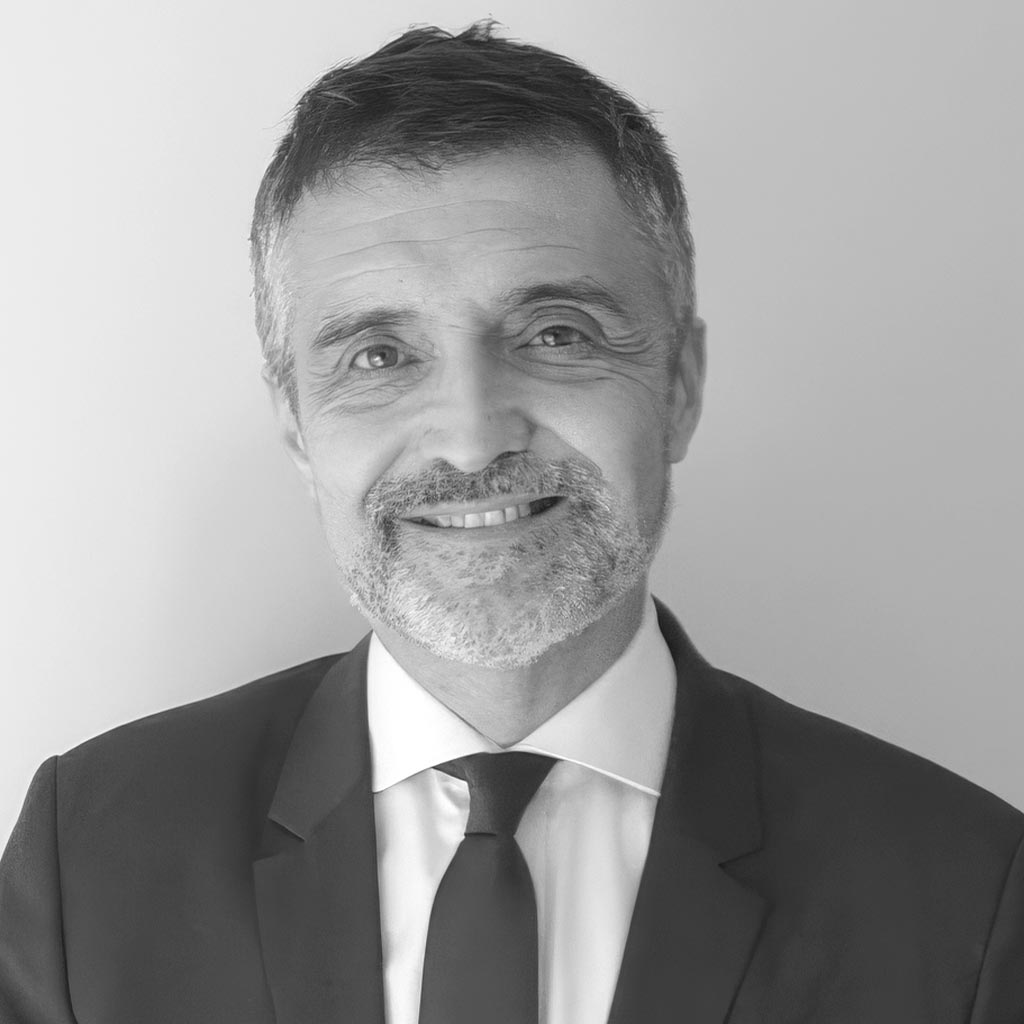
Researcher at The Spanish National Research Council (INIA‑CSIC) /
Director of the European Mycological Institute (EMI)
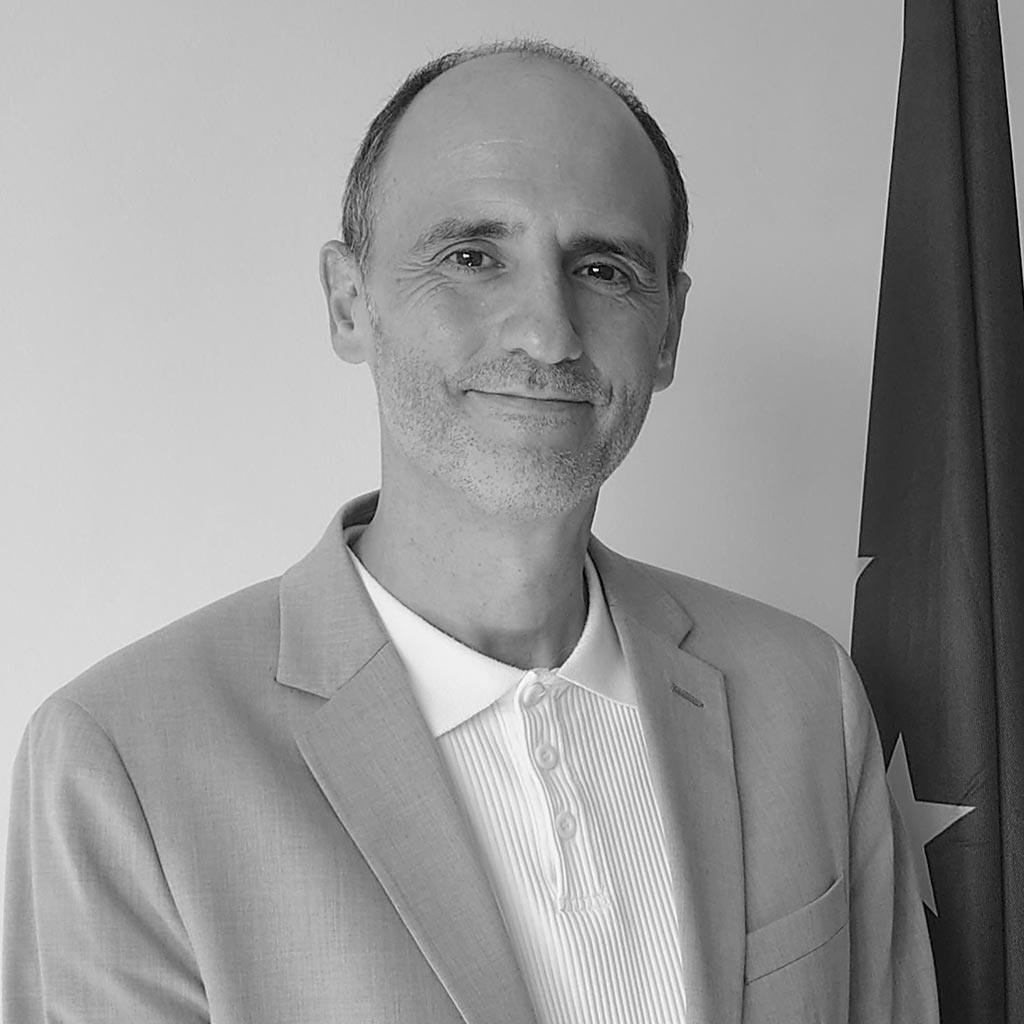
European Mycological Institute (EMI)
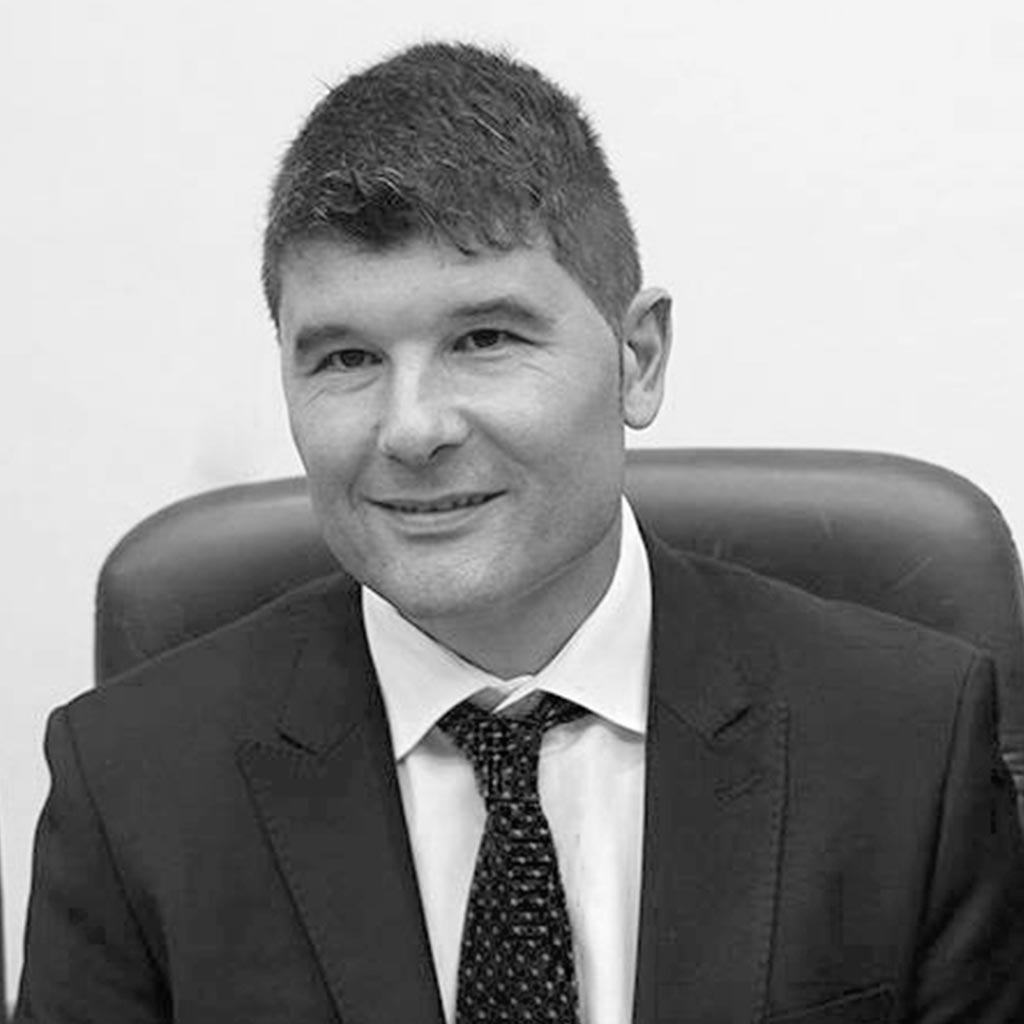
Provincial Council of Teruel
Provincial Council of Teruel

Department of Environment and Tourism of the Government of Aragón.

Environment and Tourism in Teruel

Teruel City Council and Councillor for Culture and the Trade Fair Institution
Truffle Growers Association of Teruel
Association of Mycological Parks of Aragón (MicoAragón)
Agri‑Food Research and Technology Centre of Aragón (CITA)
Scientific Committee


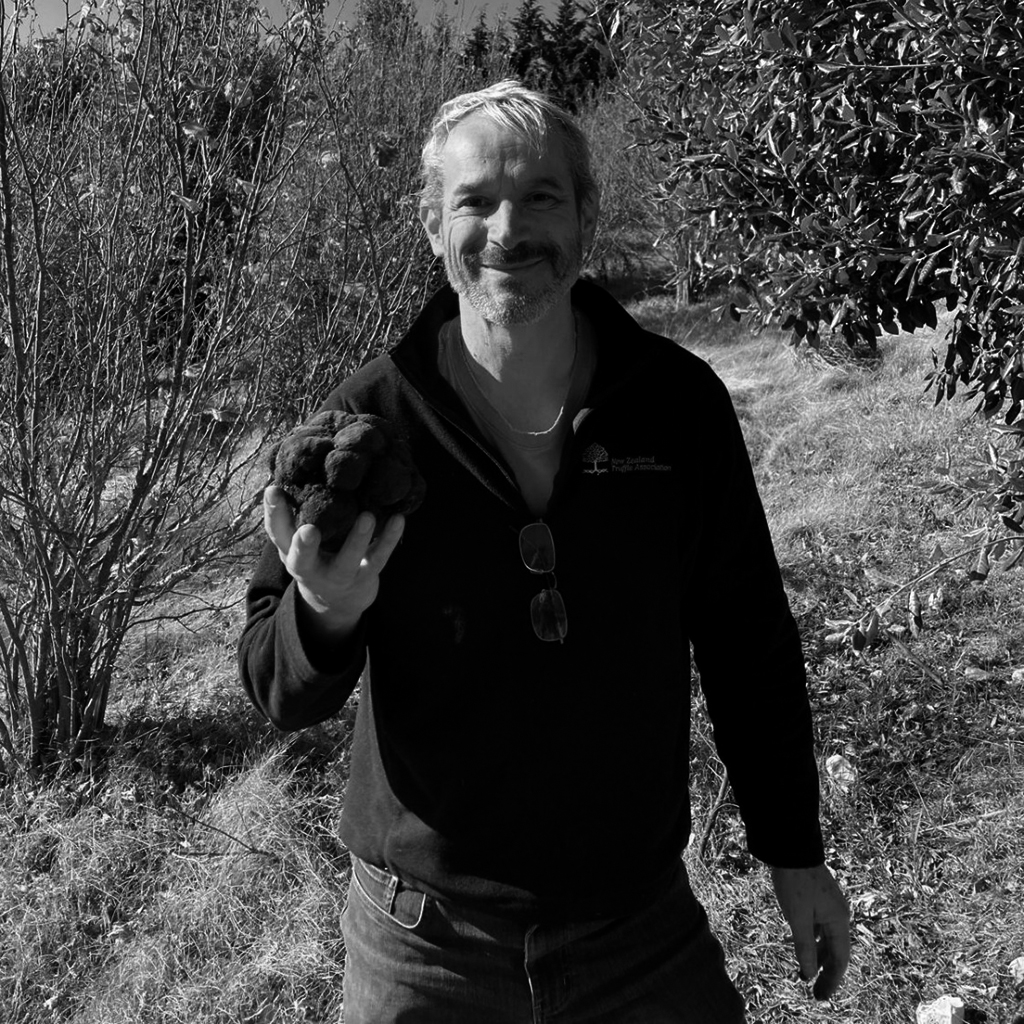
Mycotree, New Zealand