Venues: Soria and Teruel (Spain)
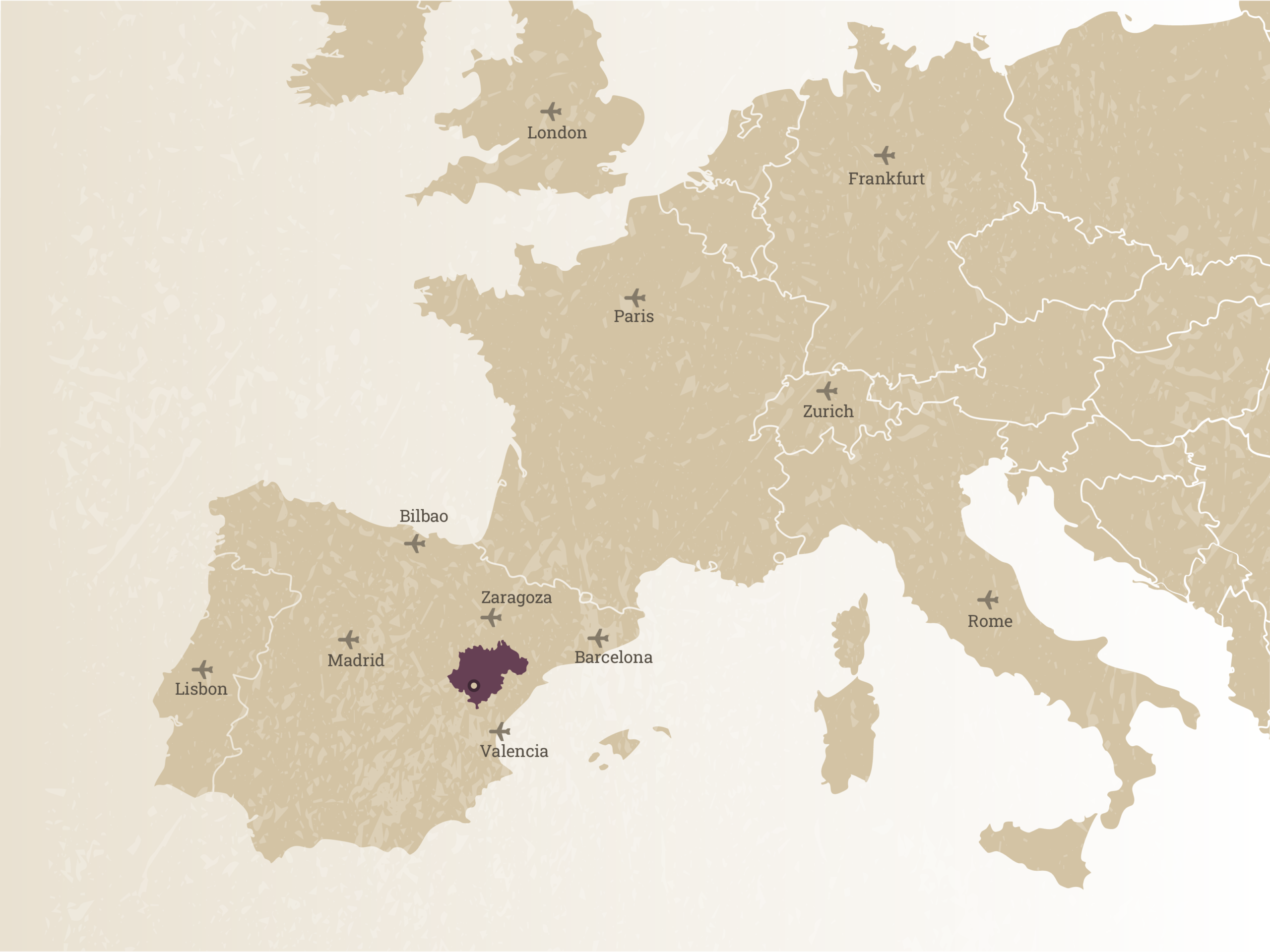

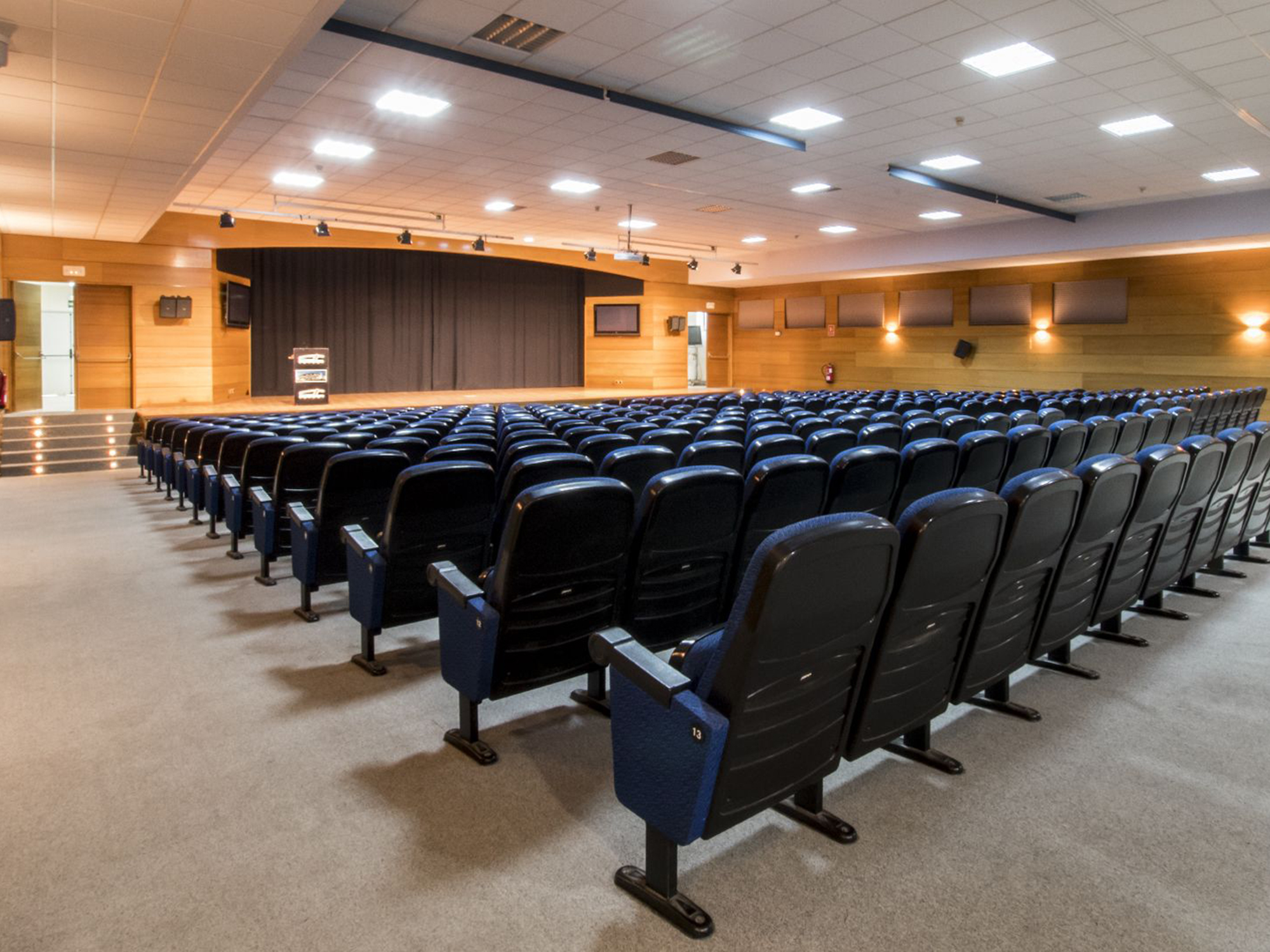
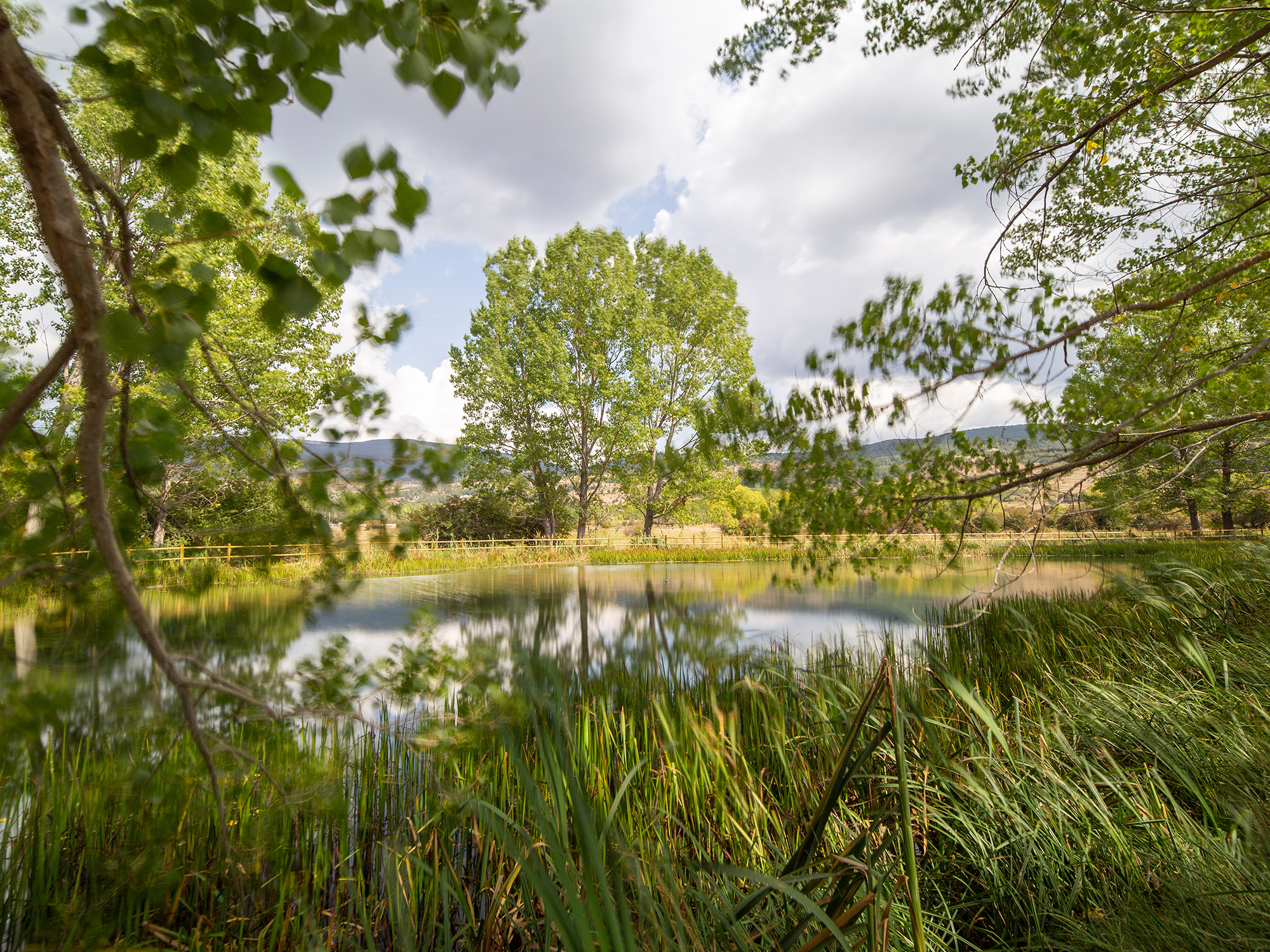
IWEMM12 will take place in Soria and Teruel, two leading Spanish territories for edible mycorrhizal mushrooms and black truffle culture. Both venues will offer modern congress facilities and direct access to the landscapes, research sites, and local initiatives that shape the workshop’s scientific and field-based program.
Soria | Castilla y León | Spain
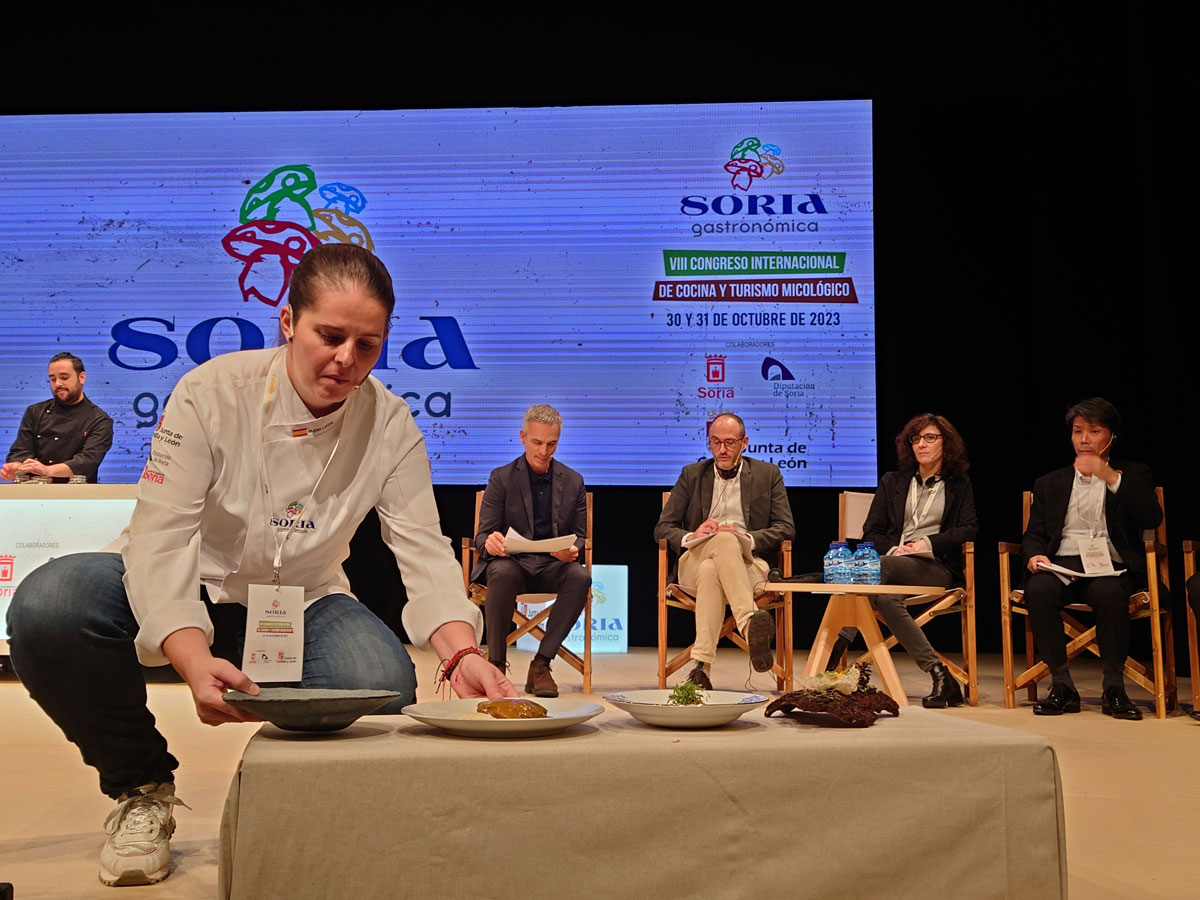
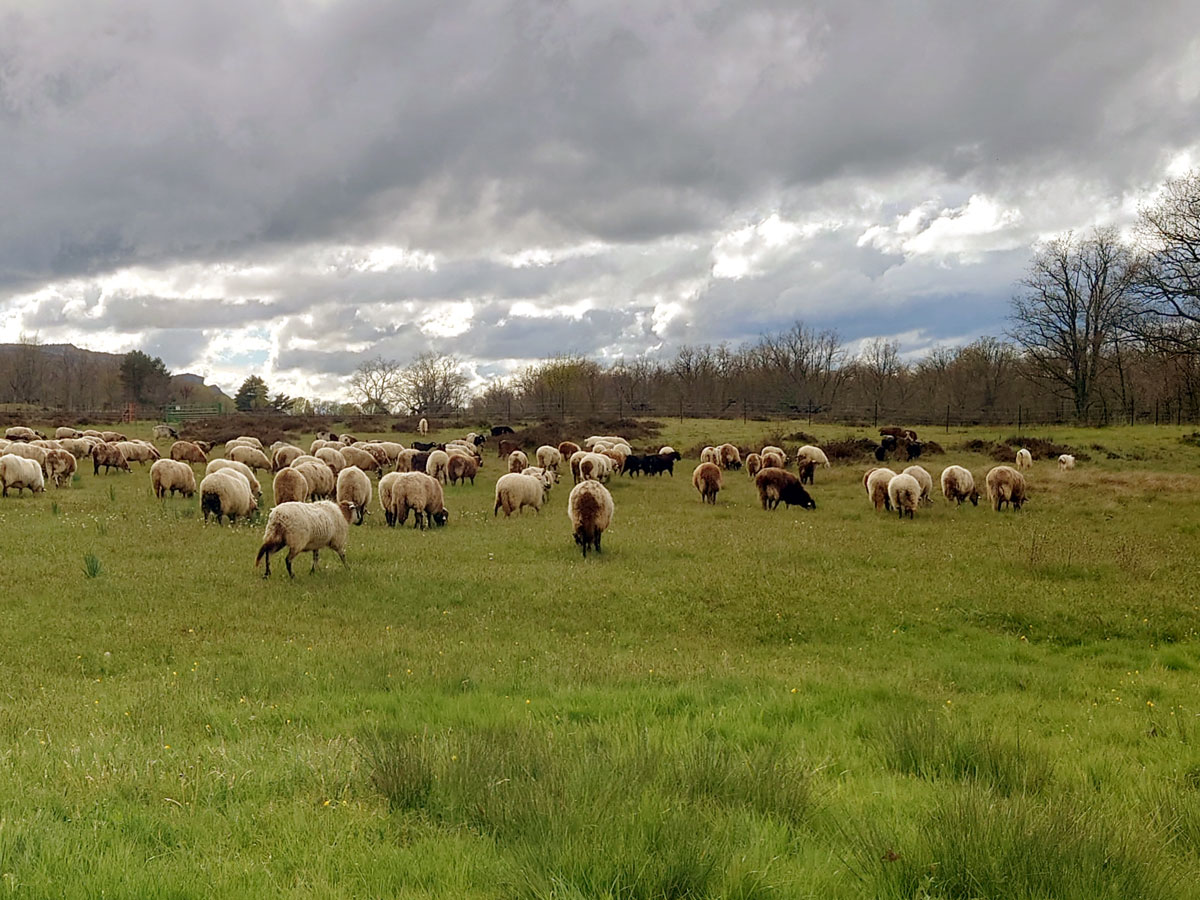
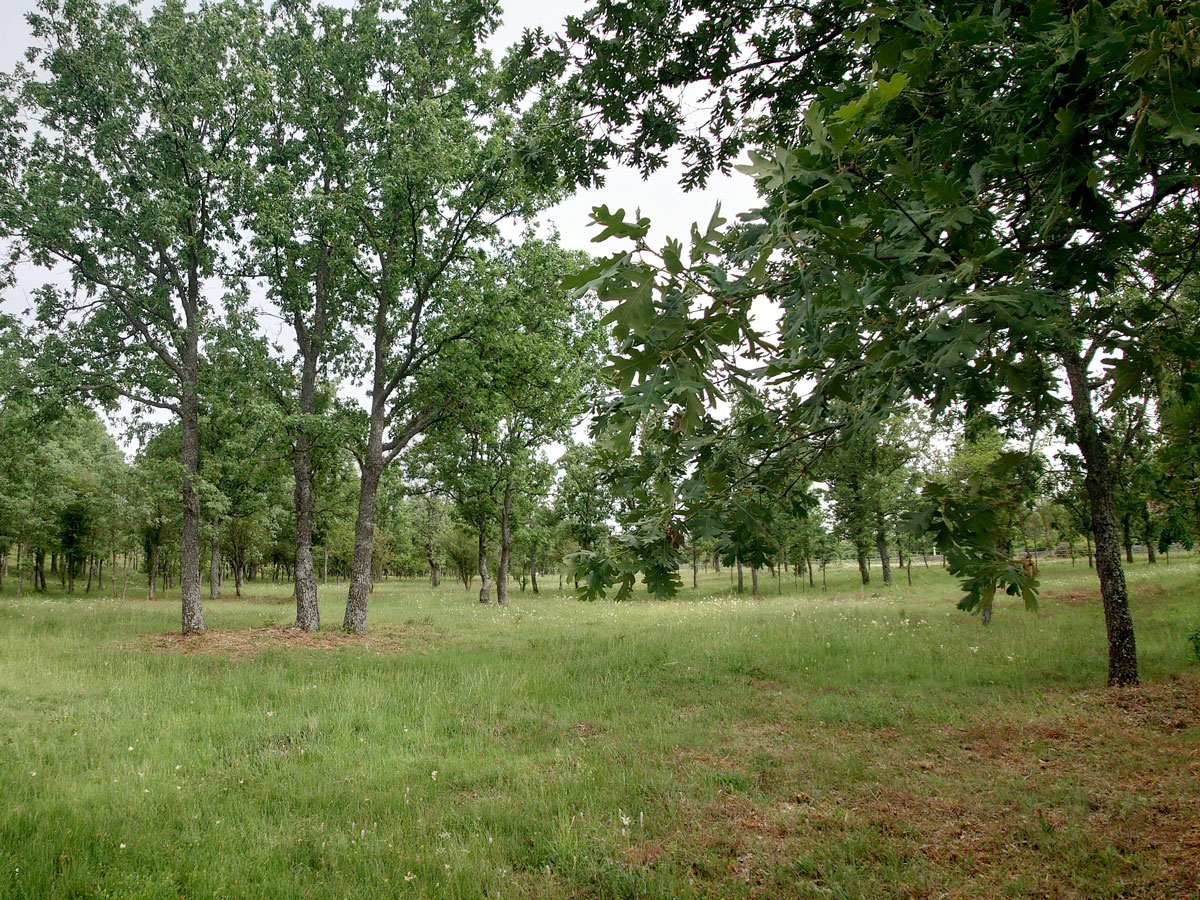
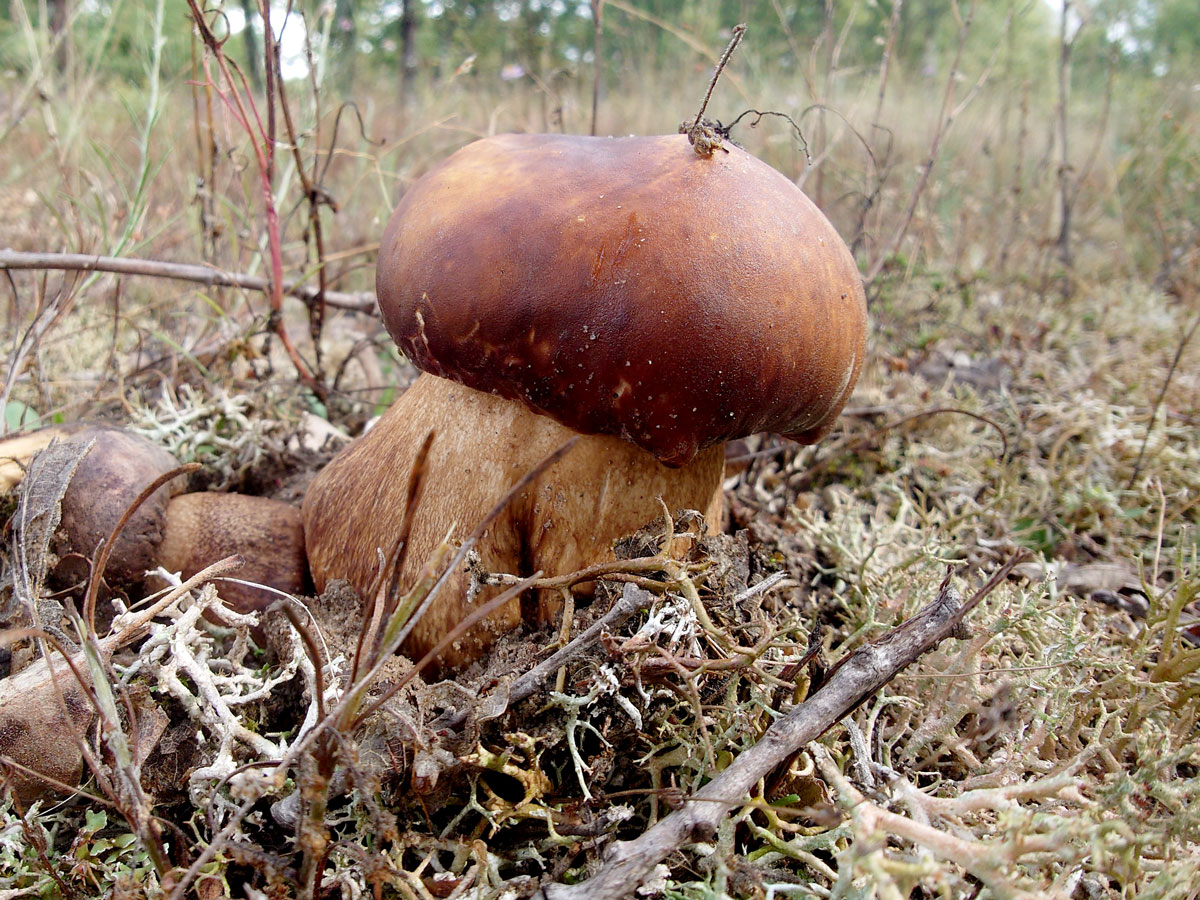
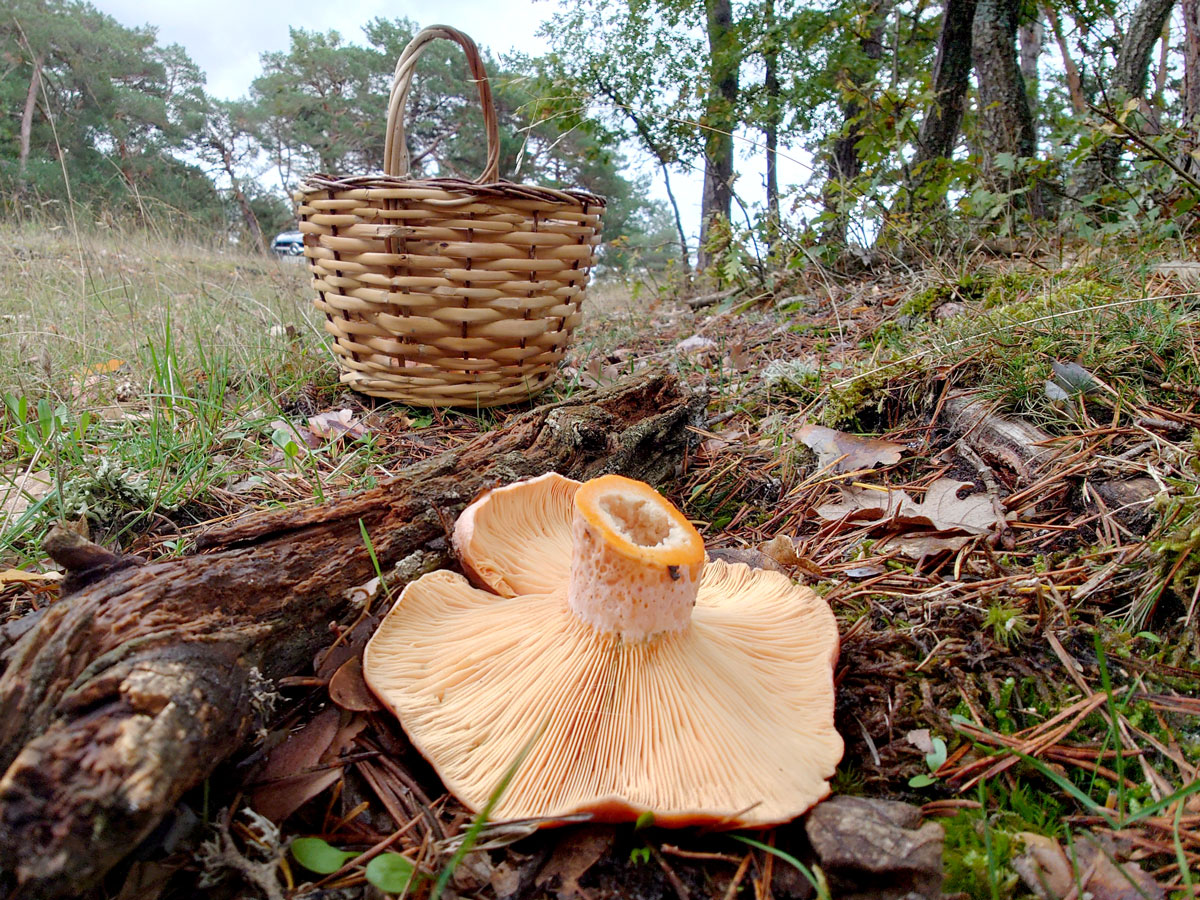
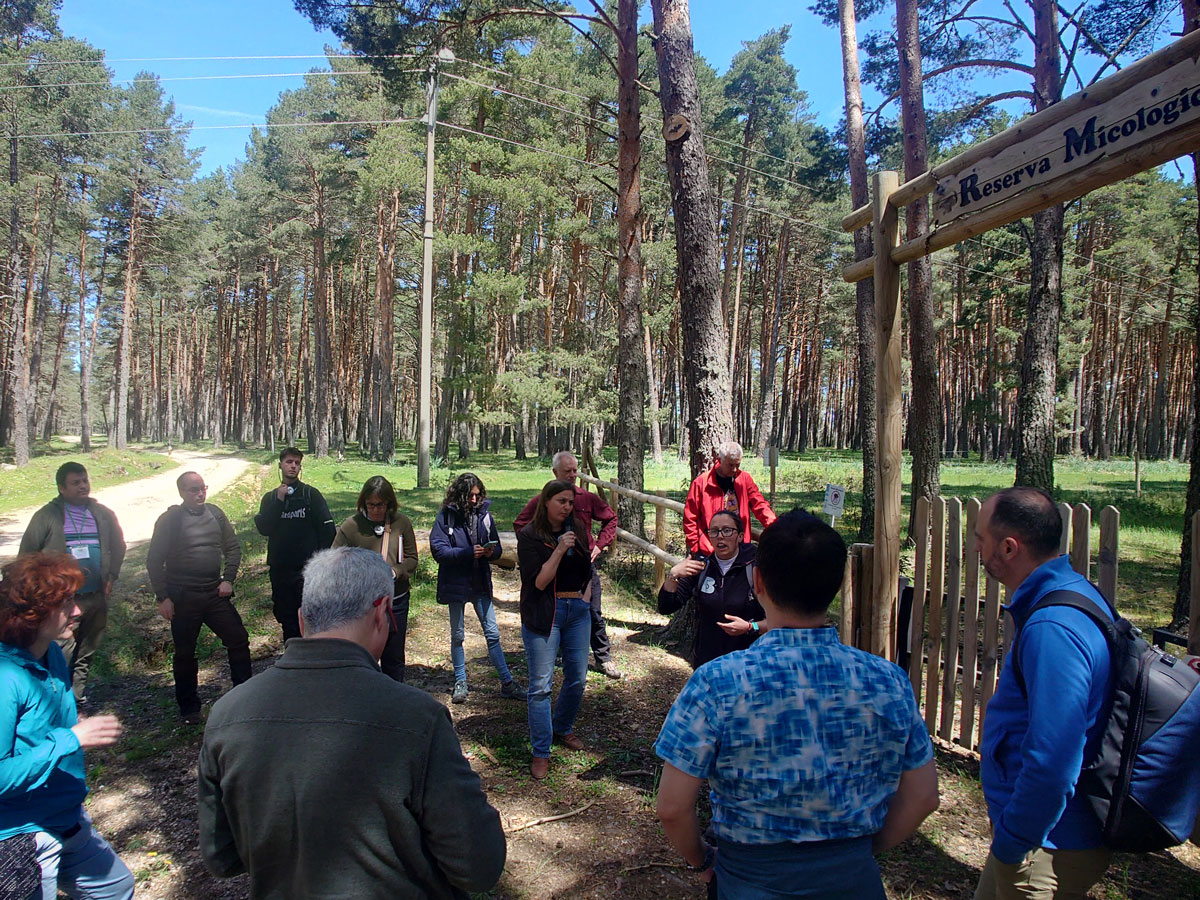
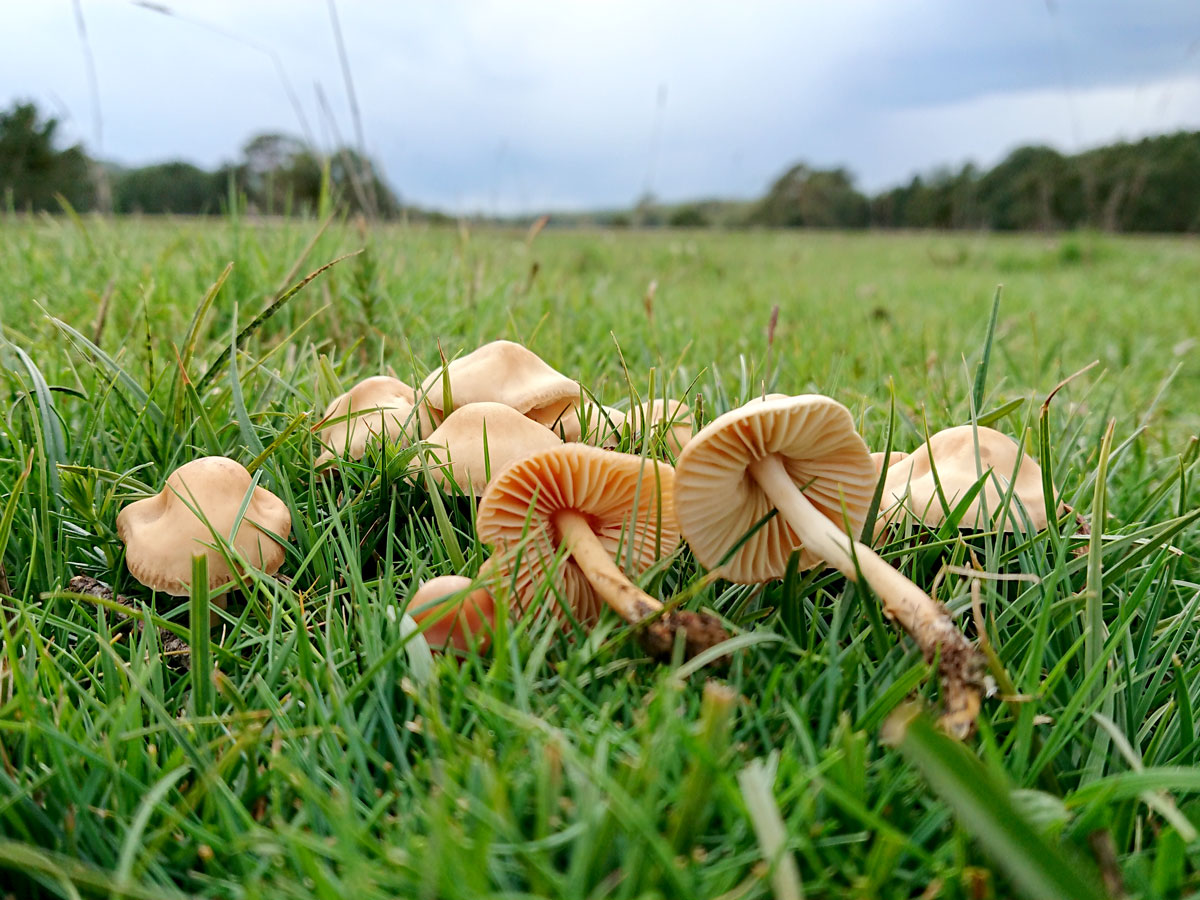
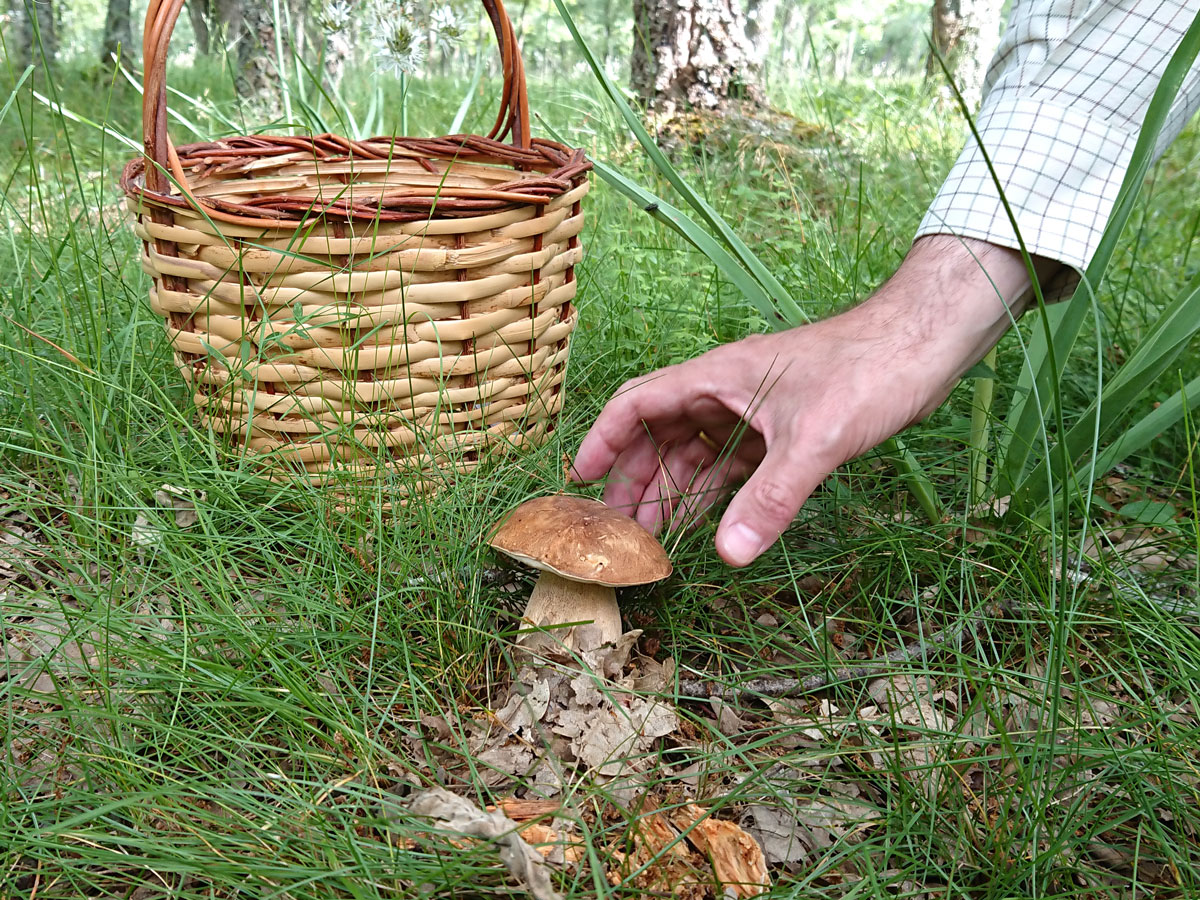
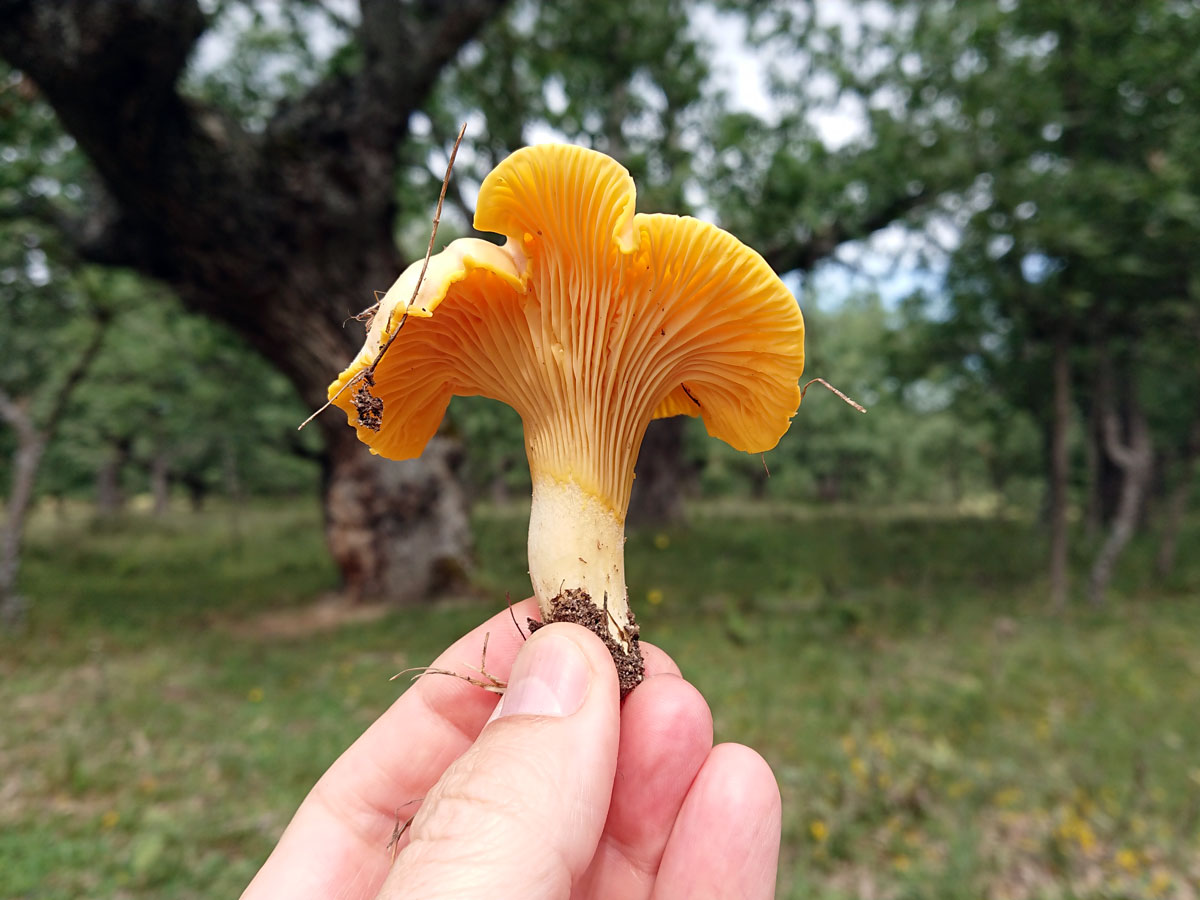
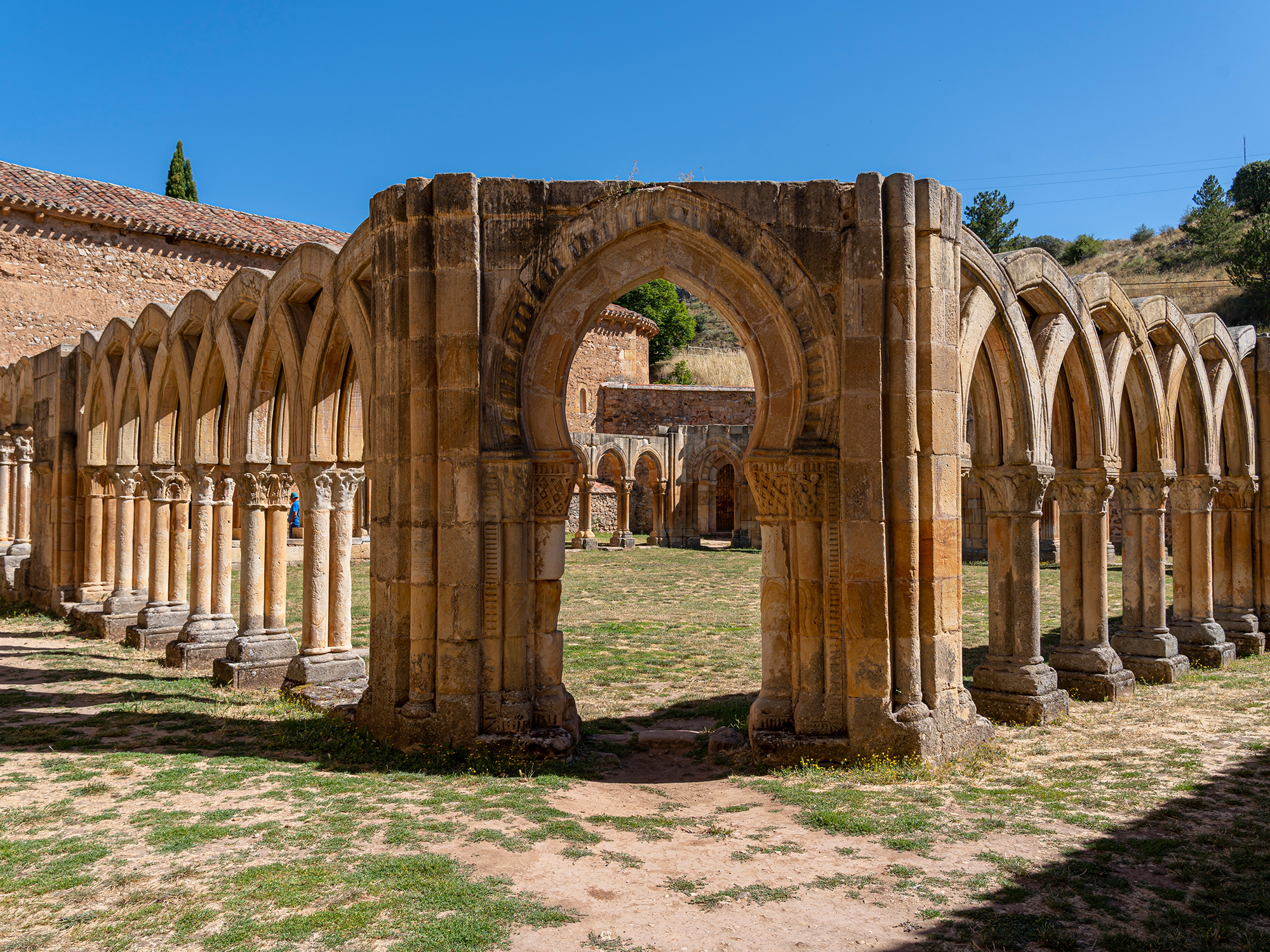
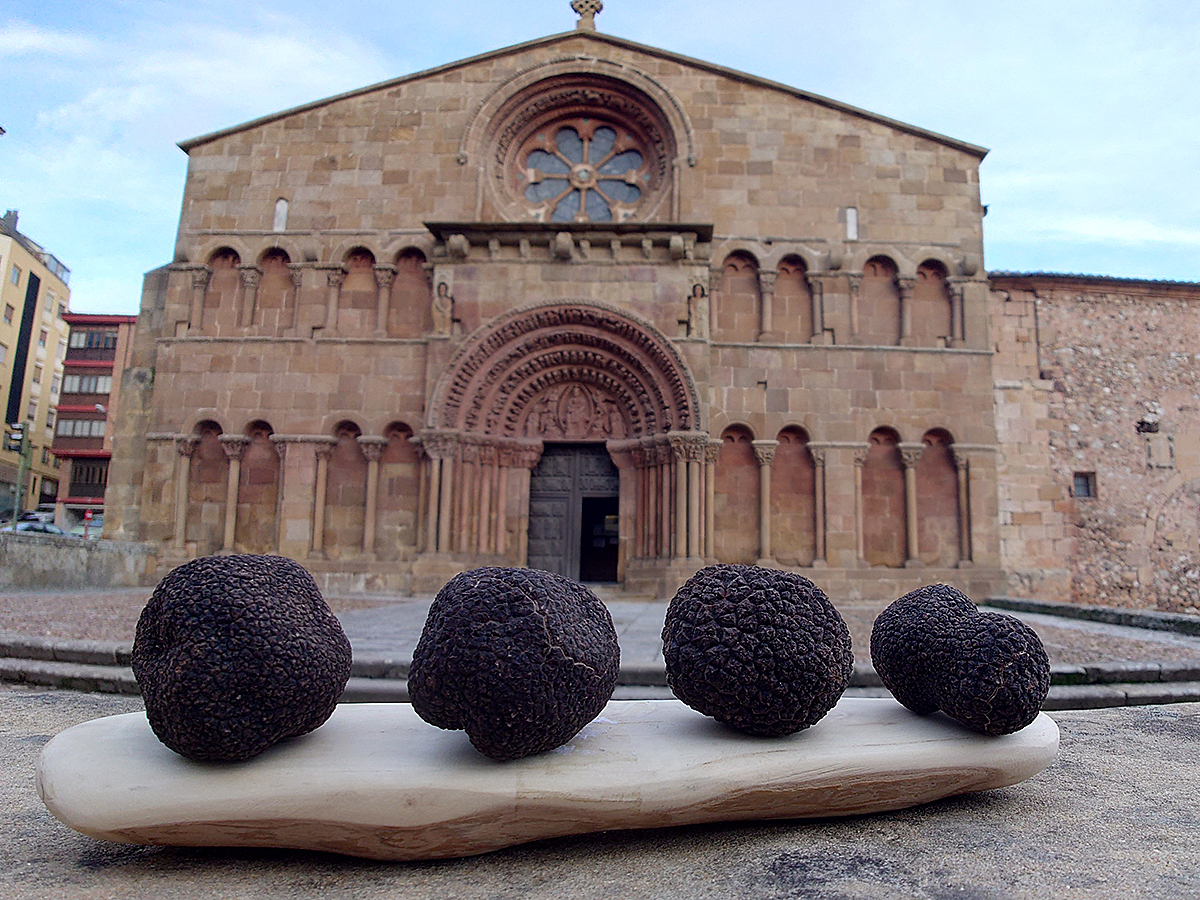
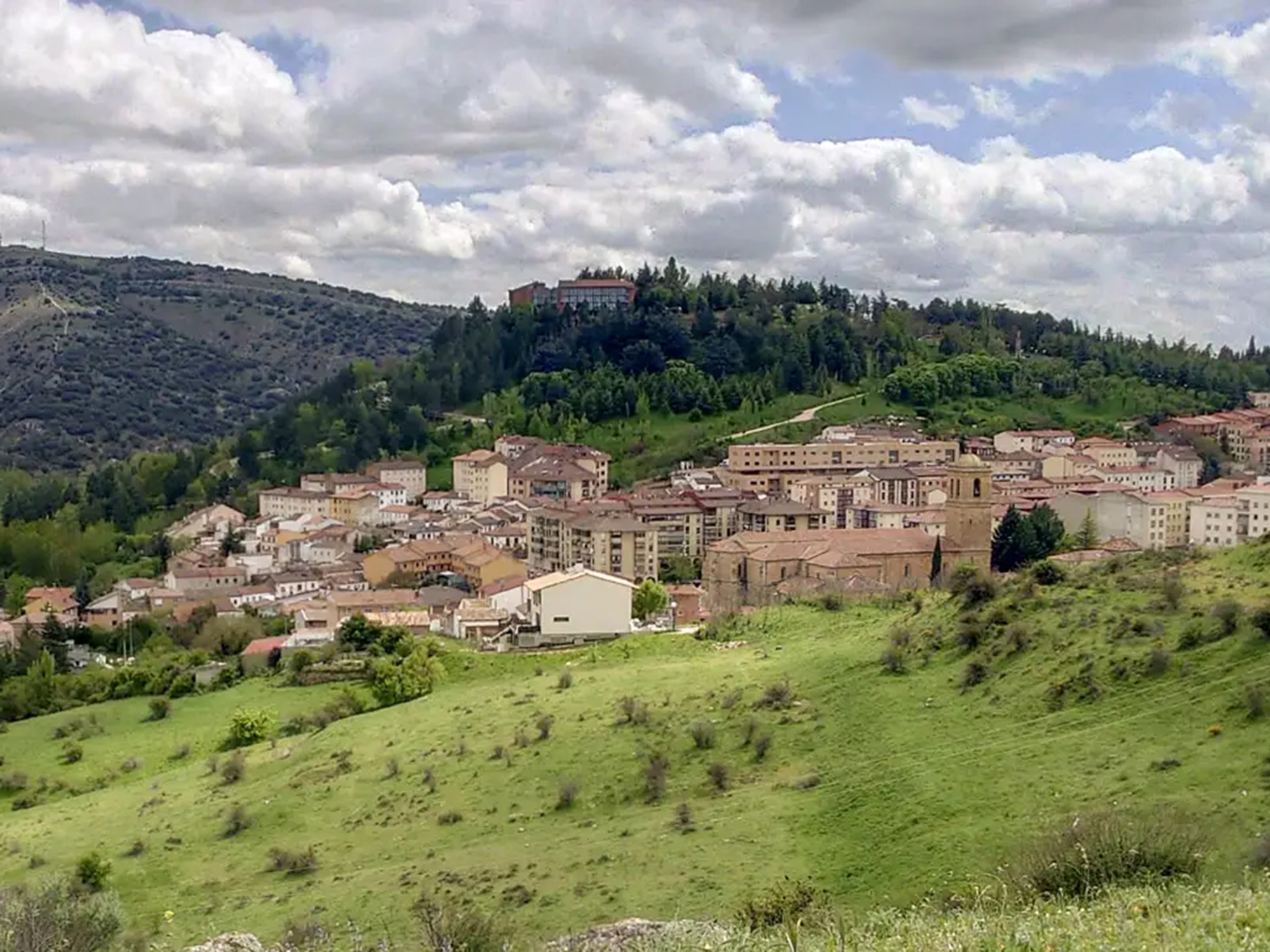
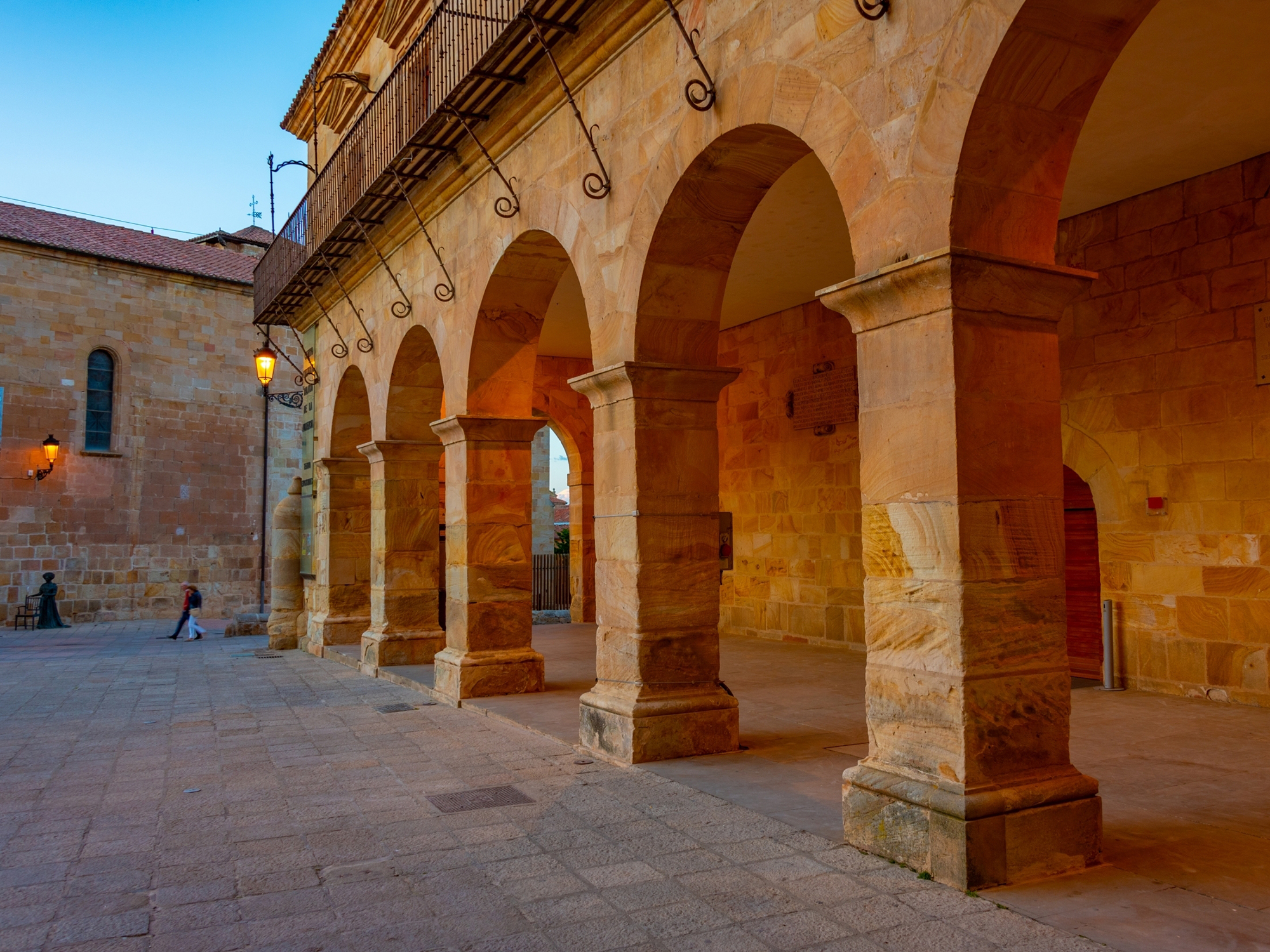
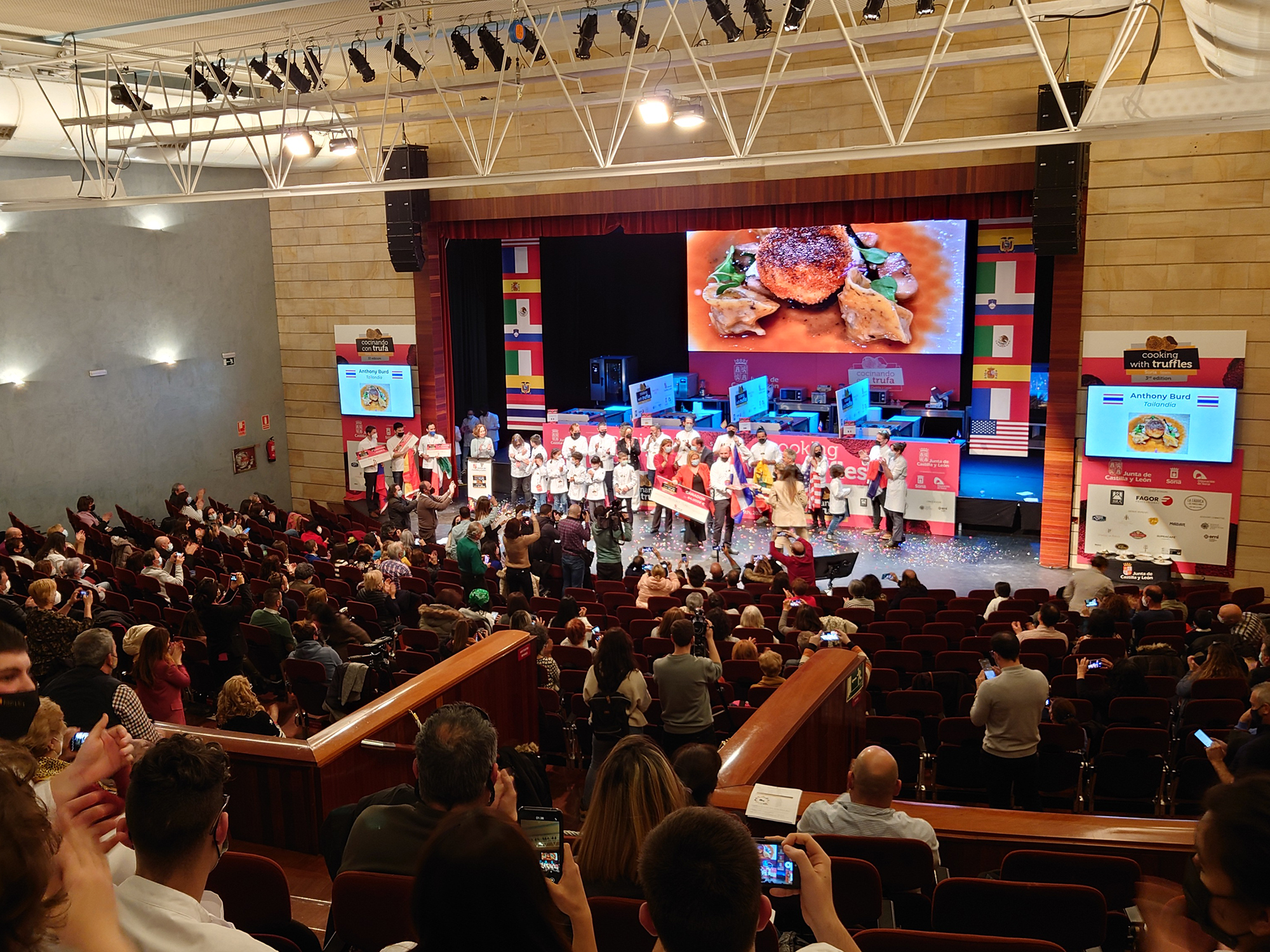
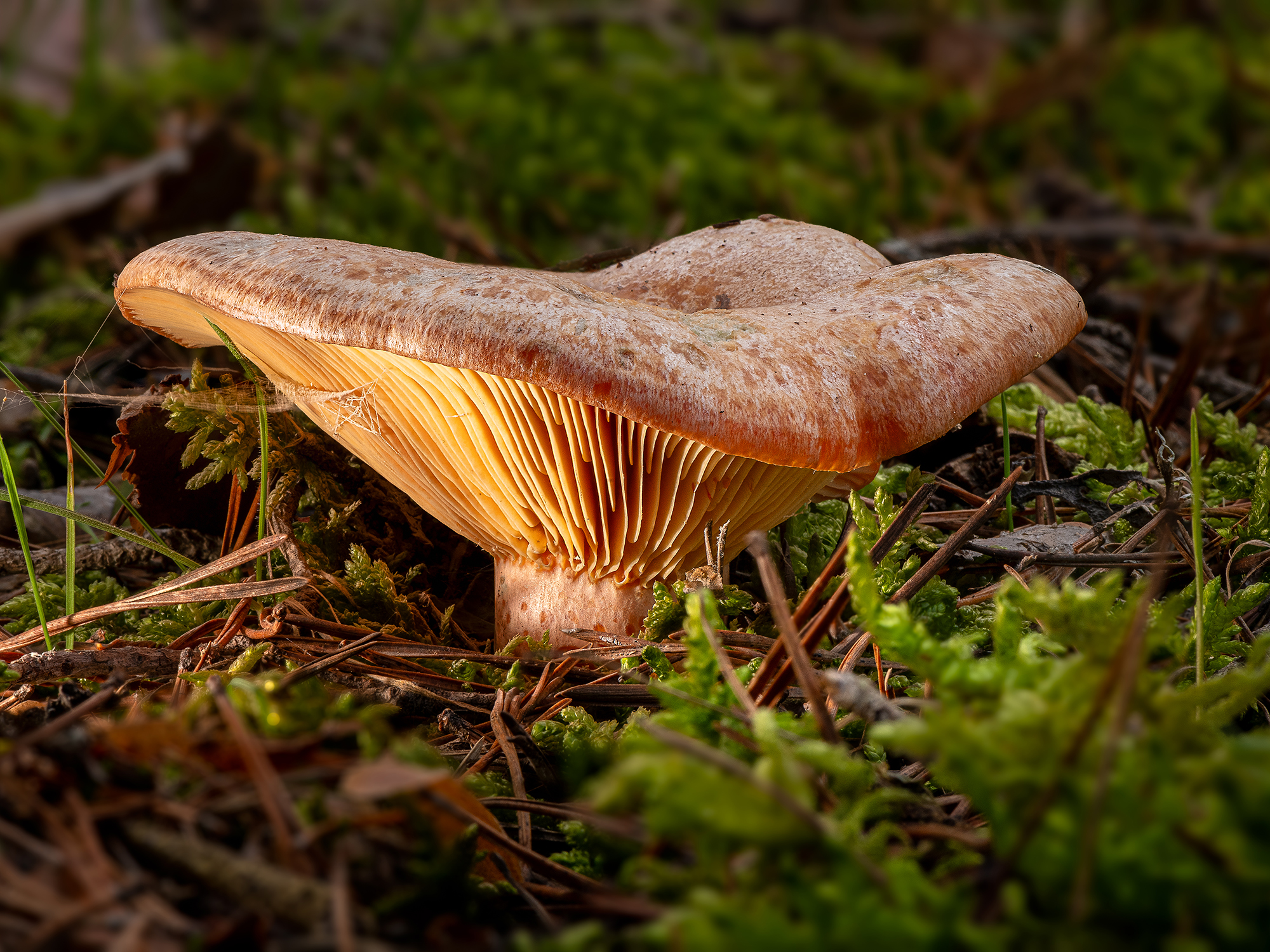
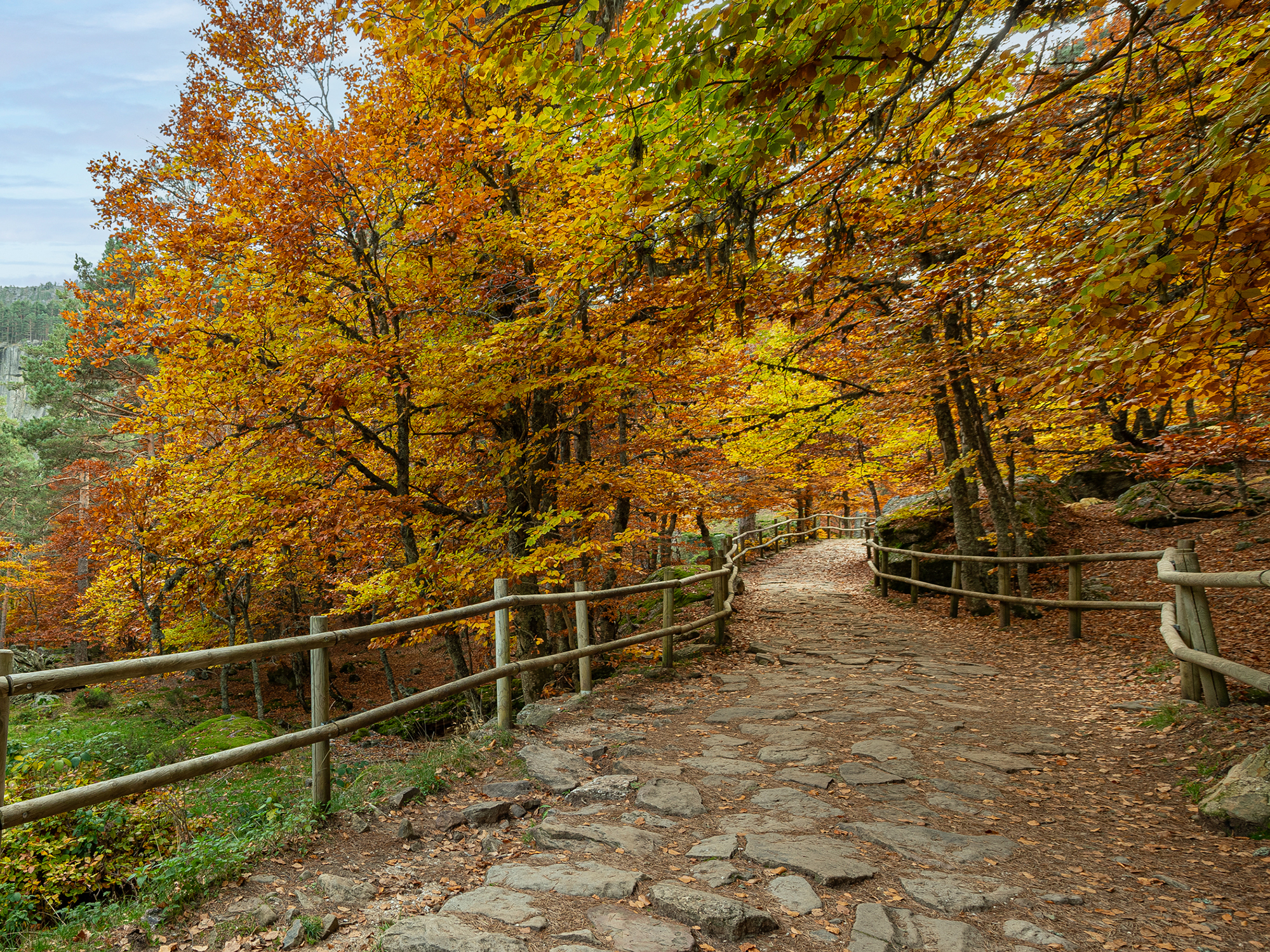
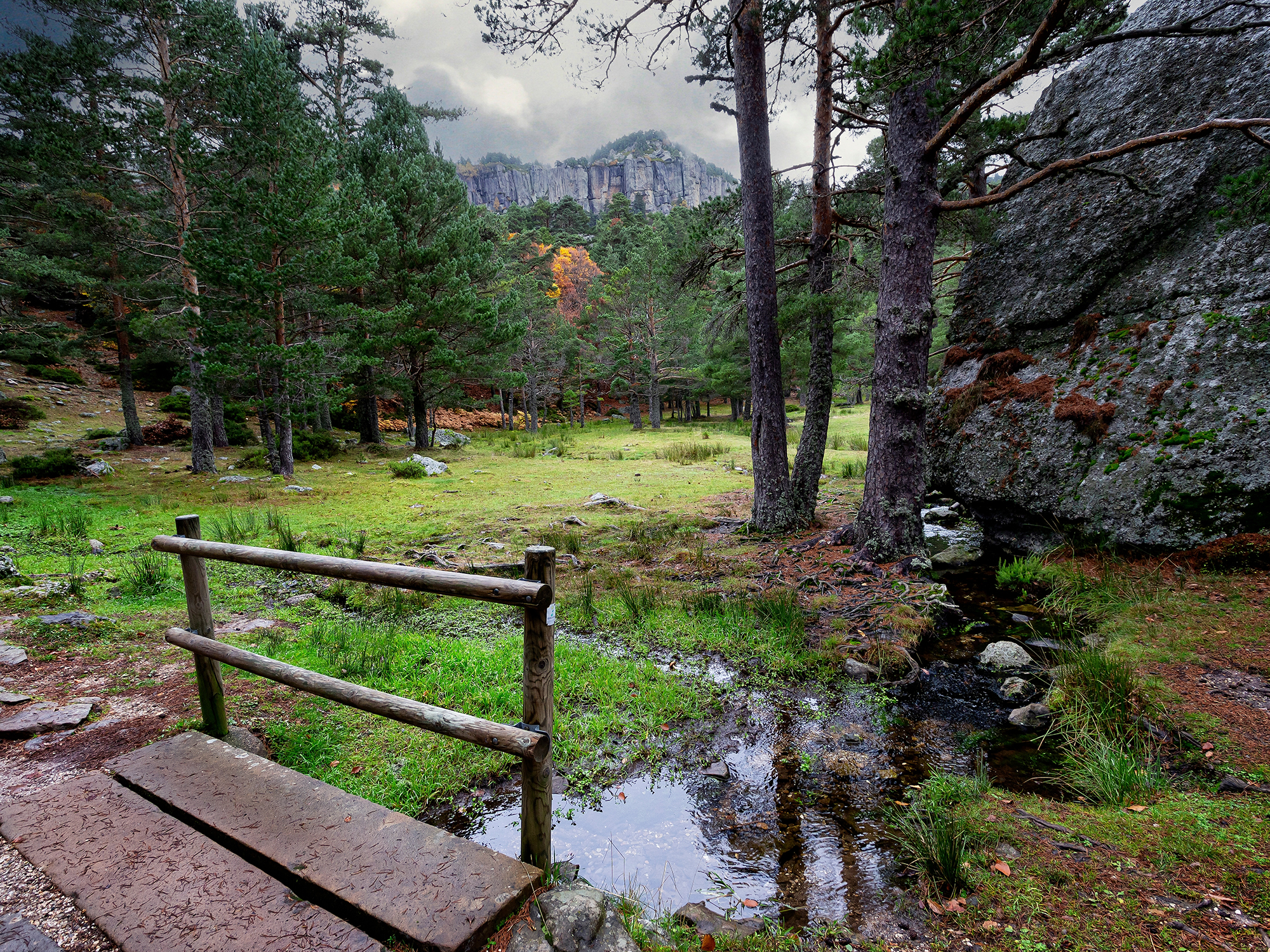
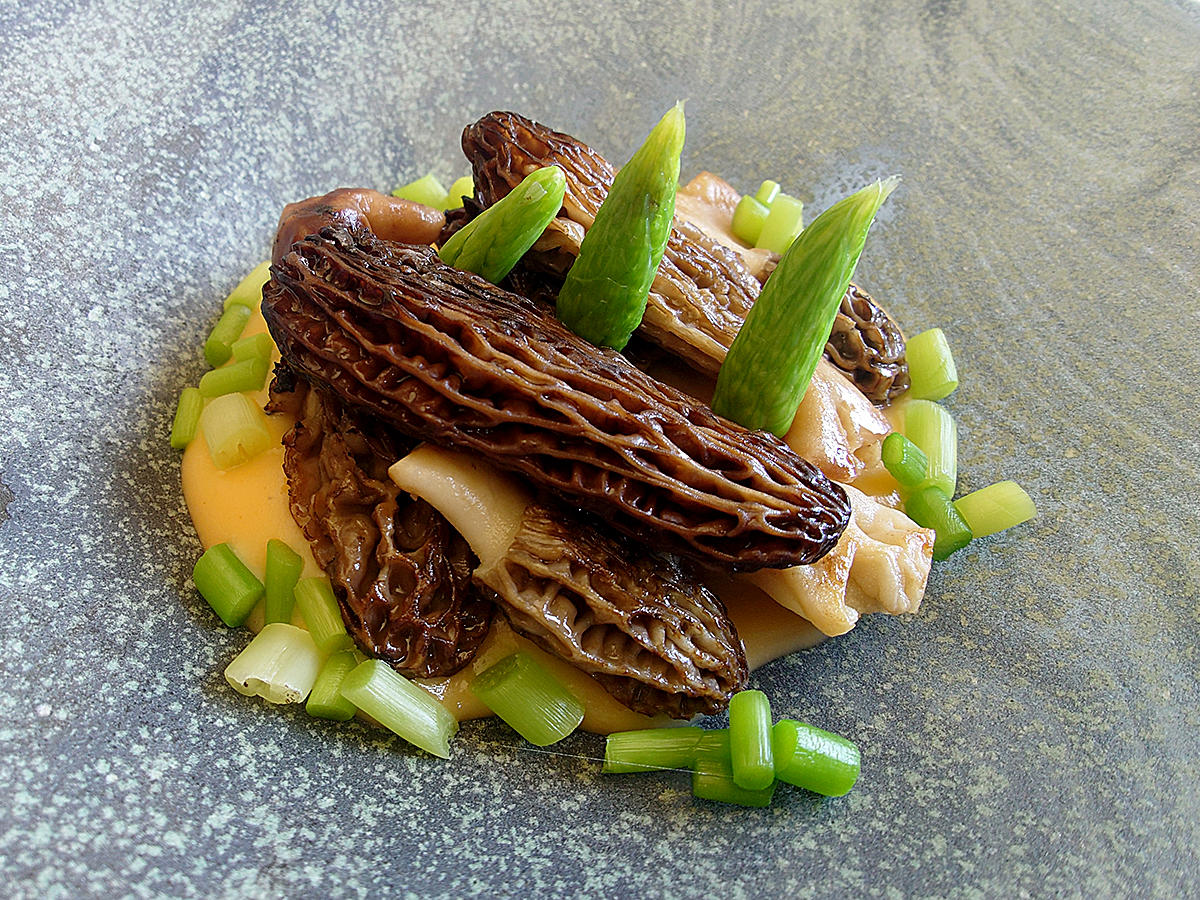
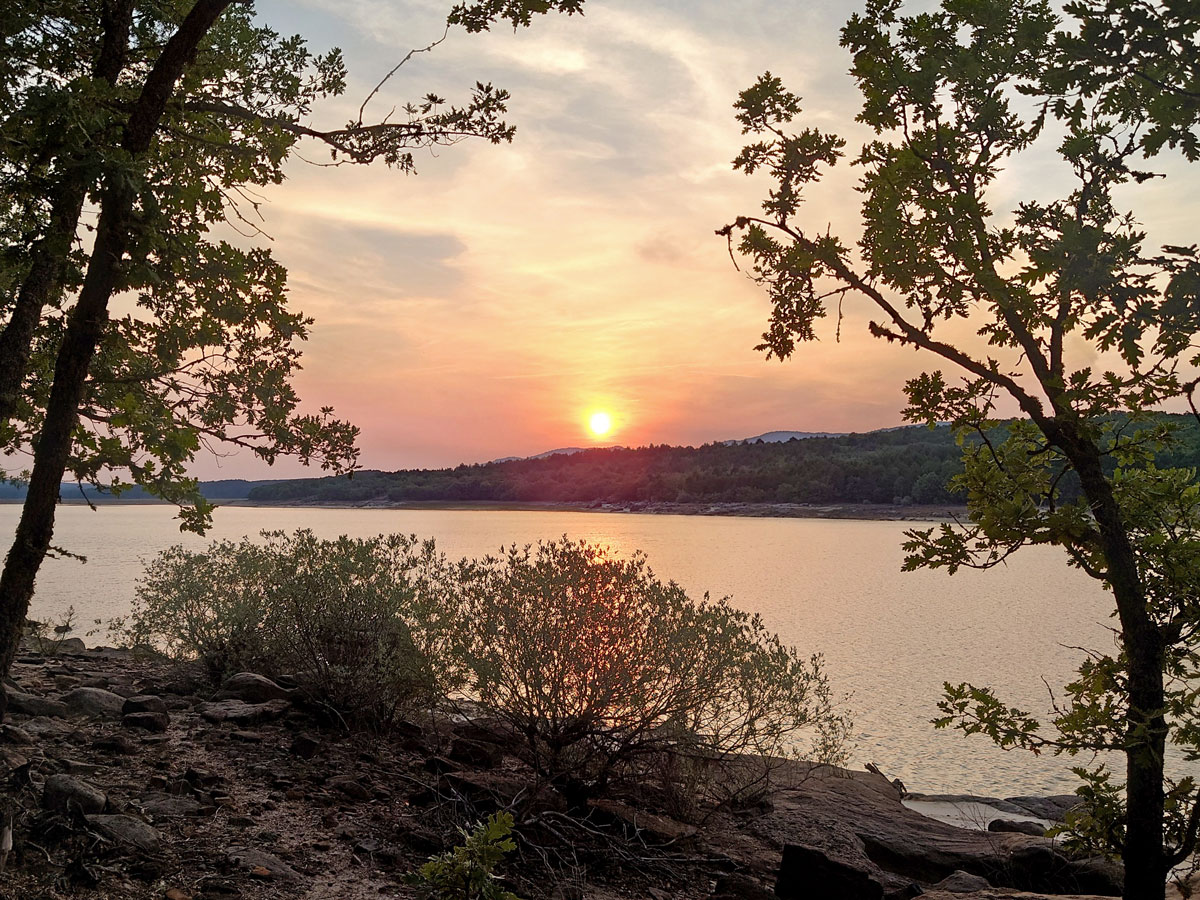
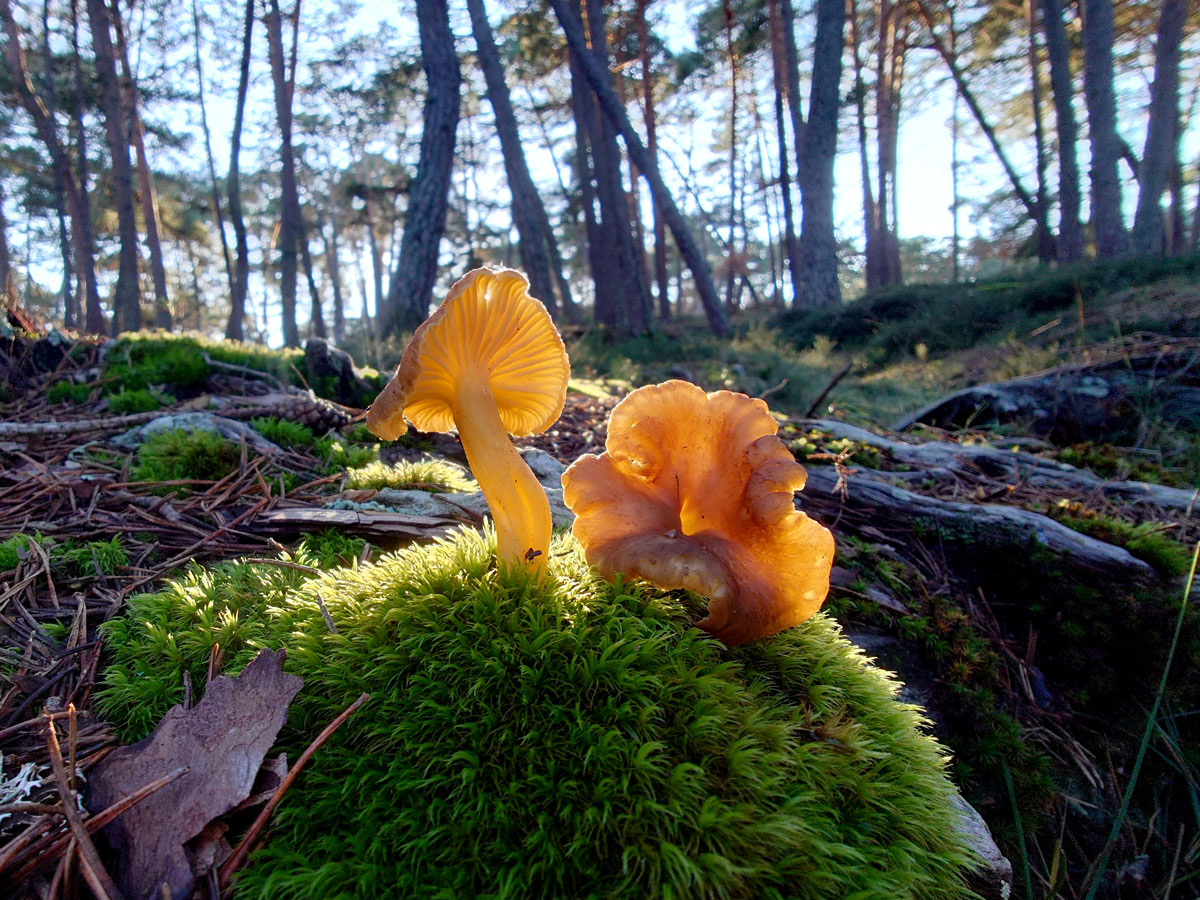
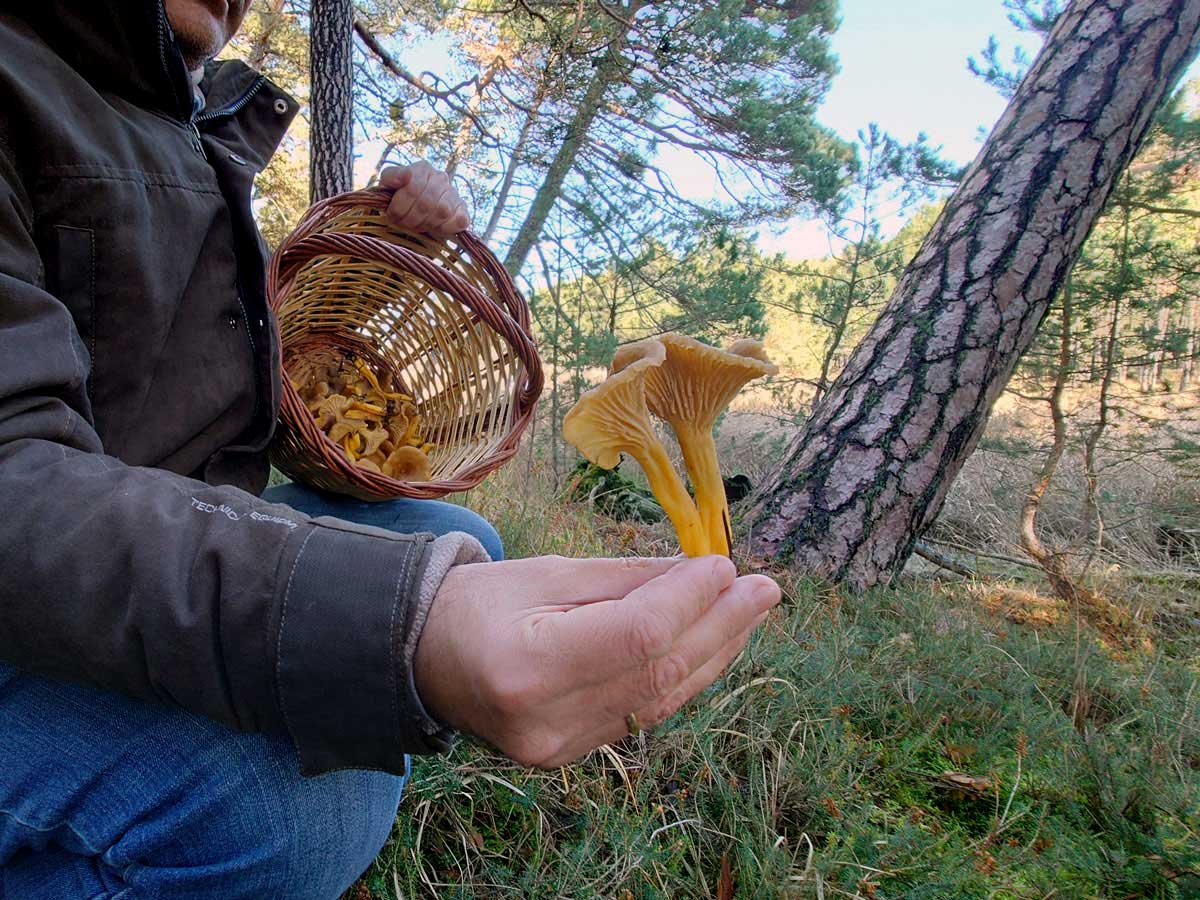
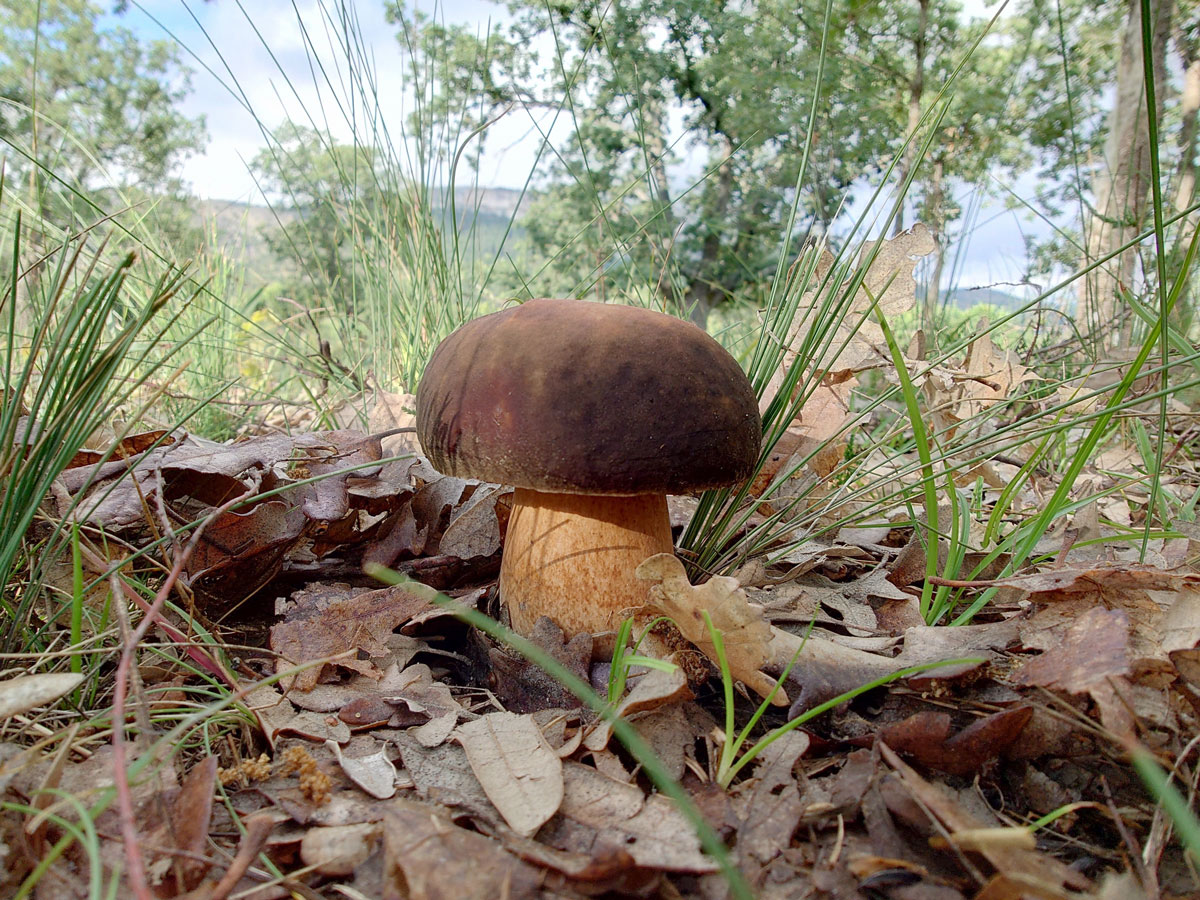
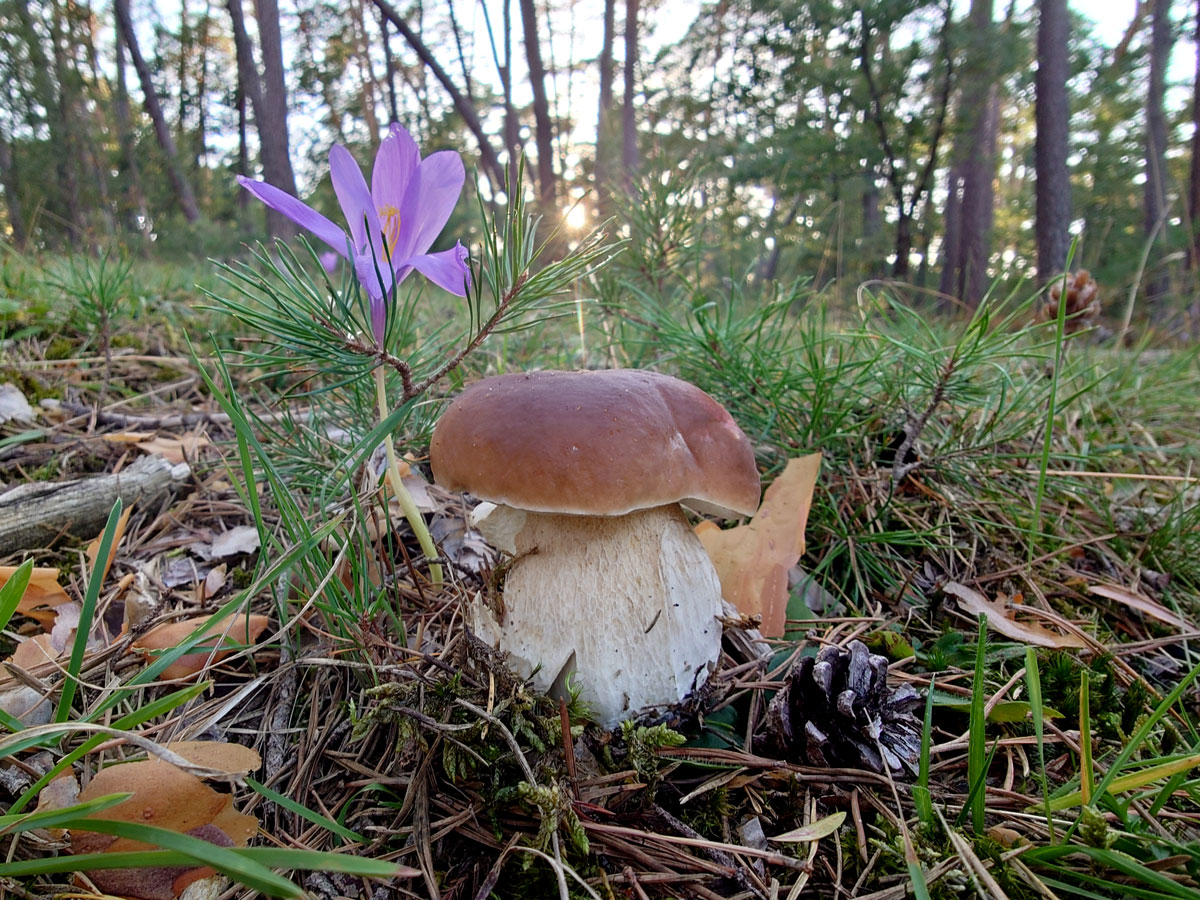
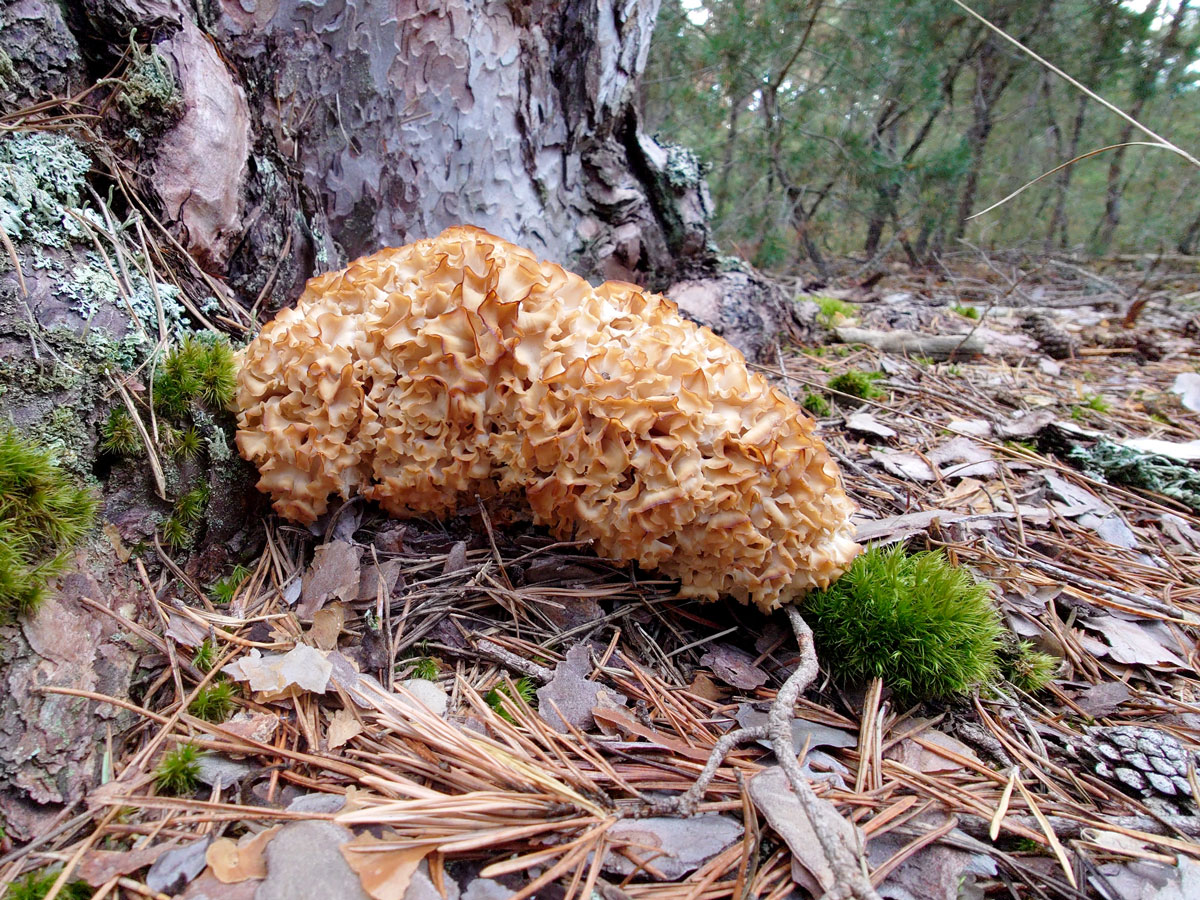
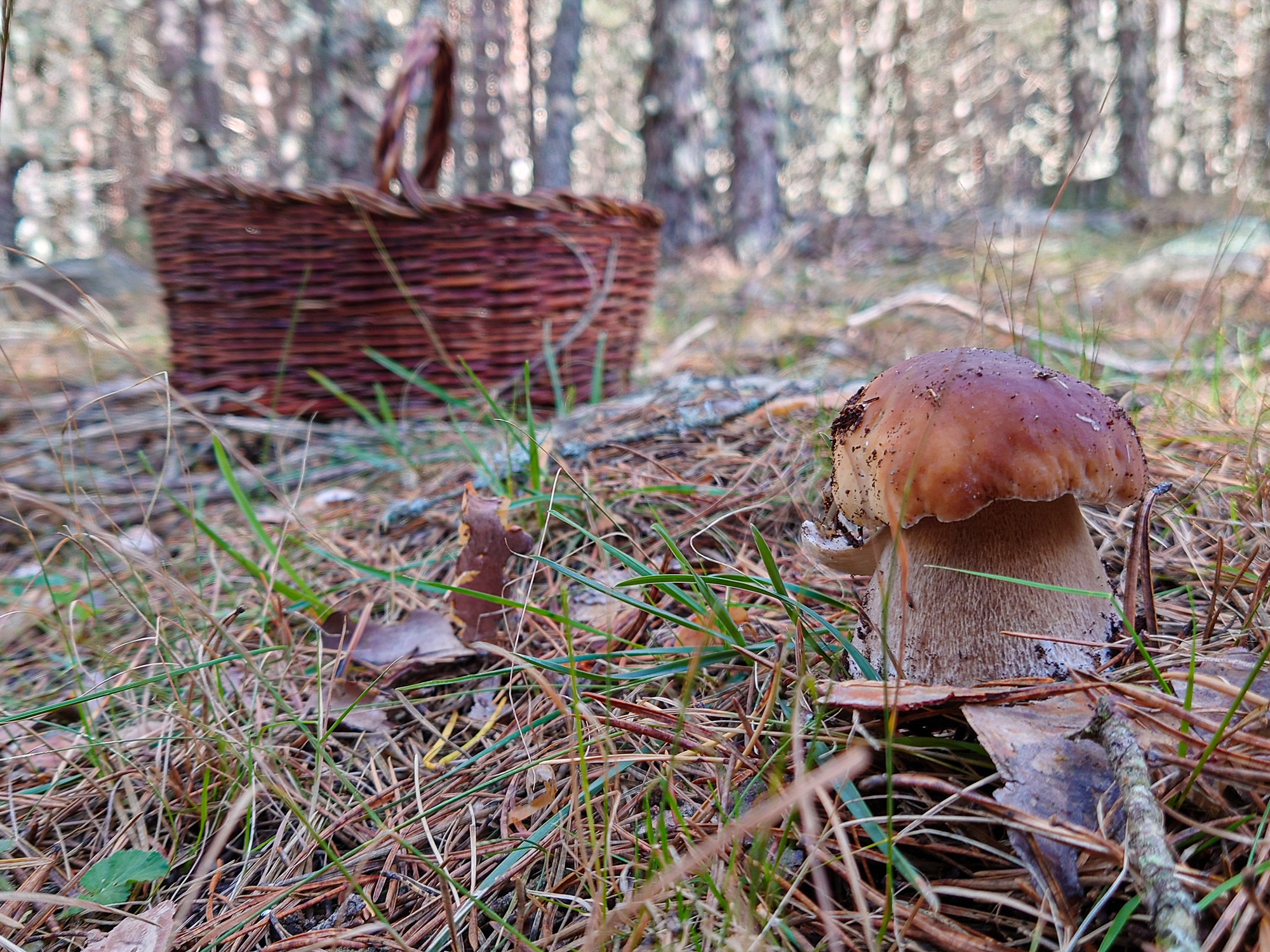
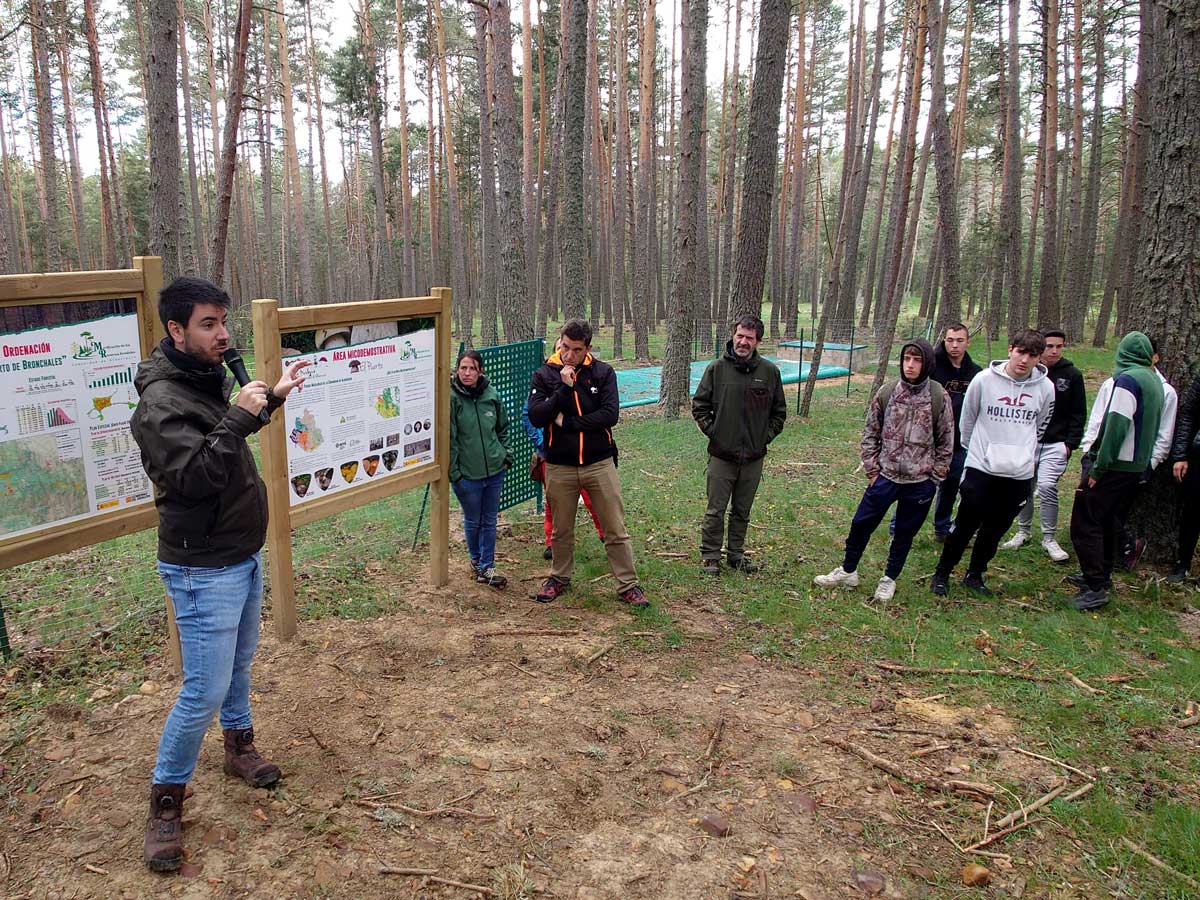
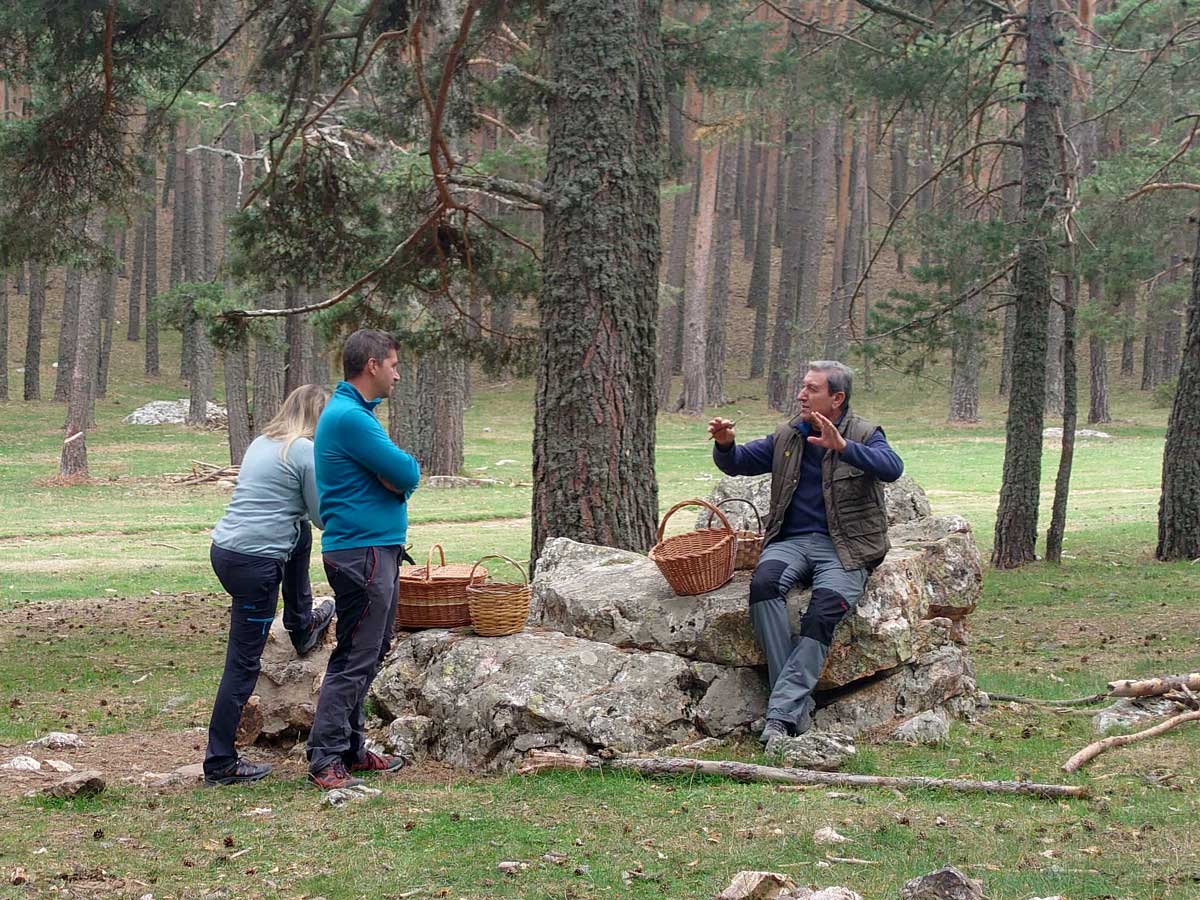
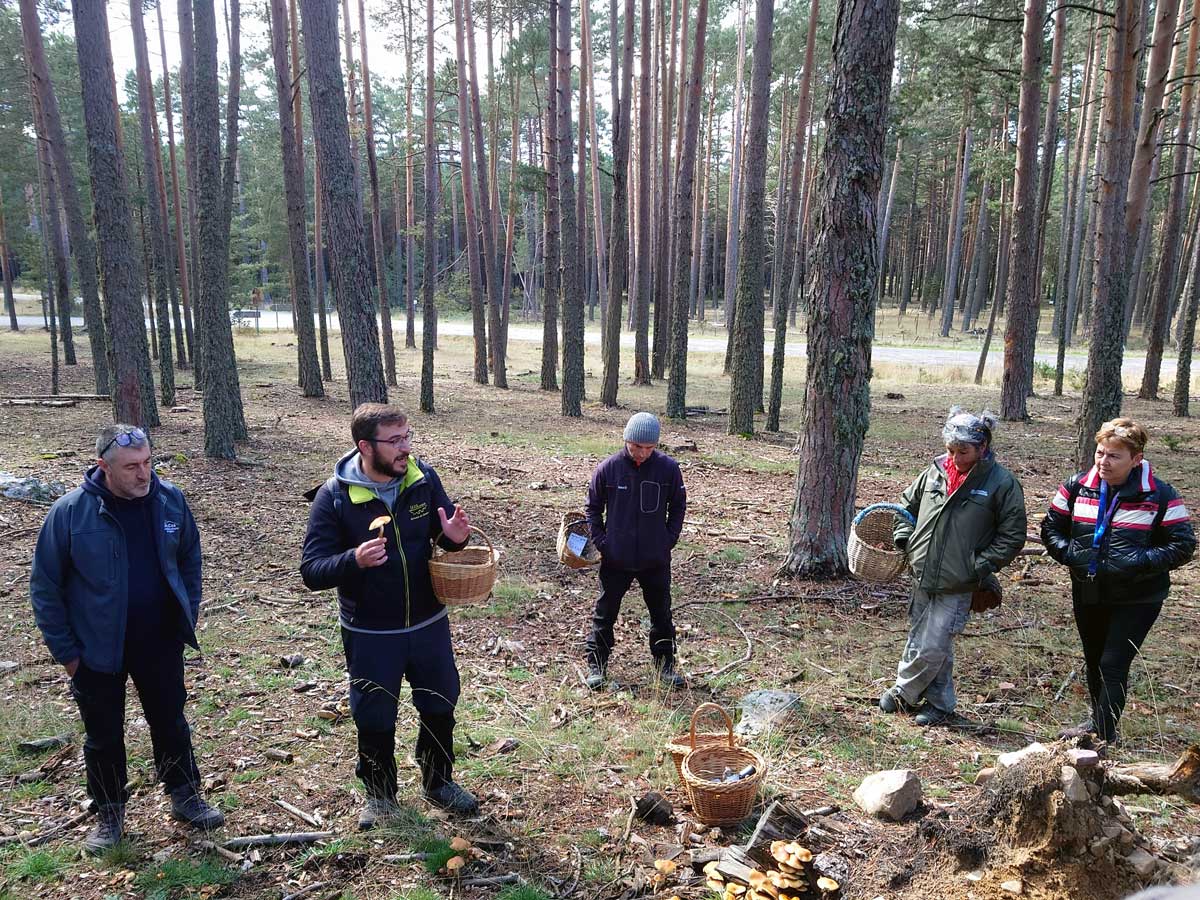
Soria is a pioneering territory in sustainable forest management aimed at enhancing wild mushroom resources. Its governance models, monitoring tools and socio‑economic valorisation strategies have turned the province into an open‑air laboratory for applied mycology, supported by long‑term research infrastructures and collaborative projects involving public administrations, research centres, forest owners and local communities.
Soria is home to the headquarters of the European Grouping of Territorial Cooperation European Mycological Institute (EMI), a key international hub for training, scientific coordination and innovation in the field of edible mycorrhizal fungi.
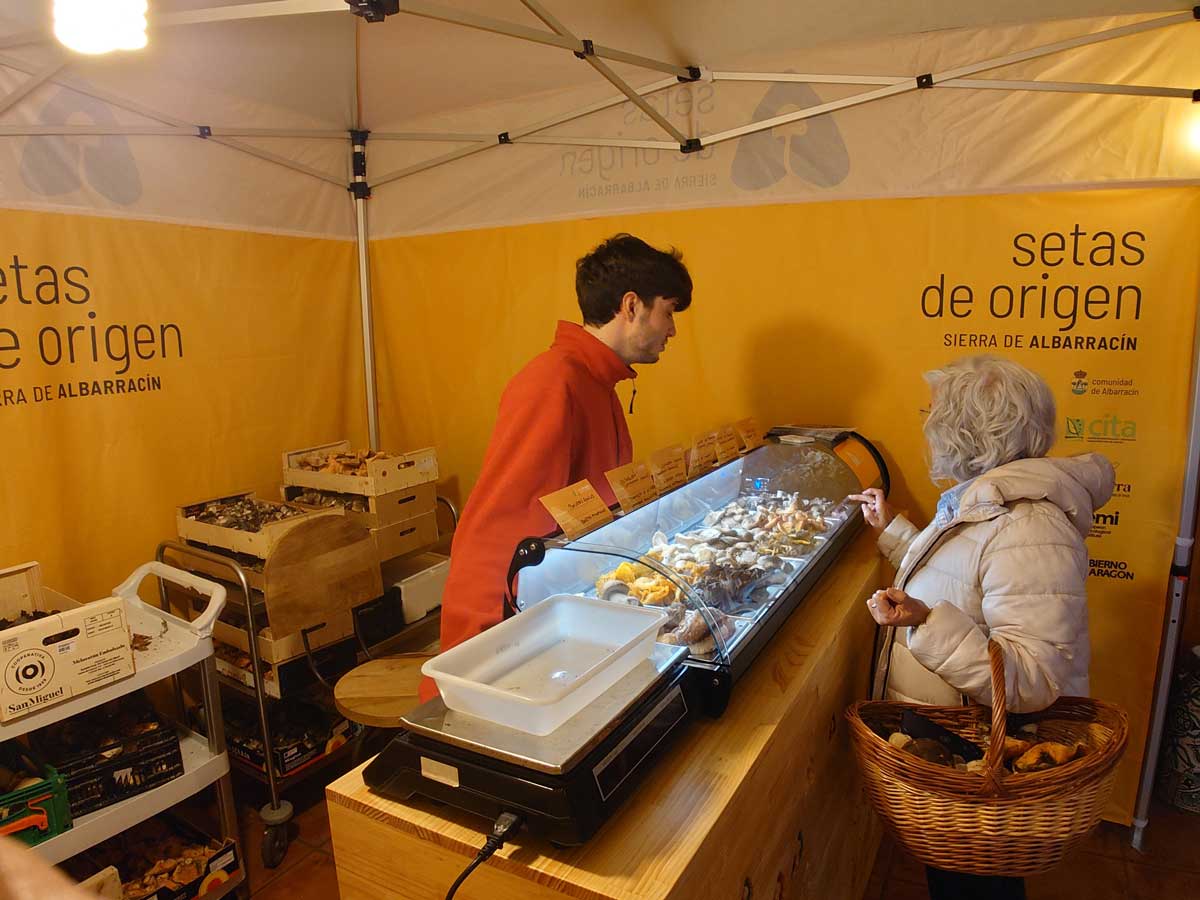
Soria is also a leading territory in mycotourism, with well‑established initiatives that connect forest management, gastronomy, cultural heritage and rural development. Its long tradition of mushroom‑based tourism has positioned the province as a reference model for integrating mycological resources into sustainable territorial strategies.
Soria is a pioneering territory in sustainable forest management aimed at enhancing wild mushroom resources. Its governance models, monitoring tools and socio‑economic valorisation strategies have turned the province into an open‑air laboratory for applied mycology, supported by long‑term research infrastructures and collaborative projects involving public administrations, research centres, forest owners and local communities.
Soria is home to the headquarters of the European Grouping of Territorial Cooperation European Mycological Institute (EMI), a key international hub for training, scientific coordination and innovation in the field of edible mycorrhizal fungi.
Soria is also a leading territory in mycotourism, with well‑established initiatives that connect forest management, gastronomy, cultural heritage and rural development. Its long tradition of mushroom‑based tourism has positioned the province as a reference model for integrating mycological resources into sustainable territorial strategies.
Teruel | Aragón | Spain
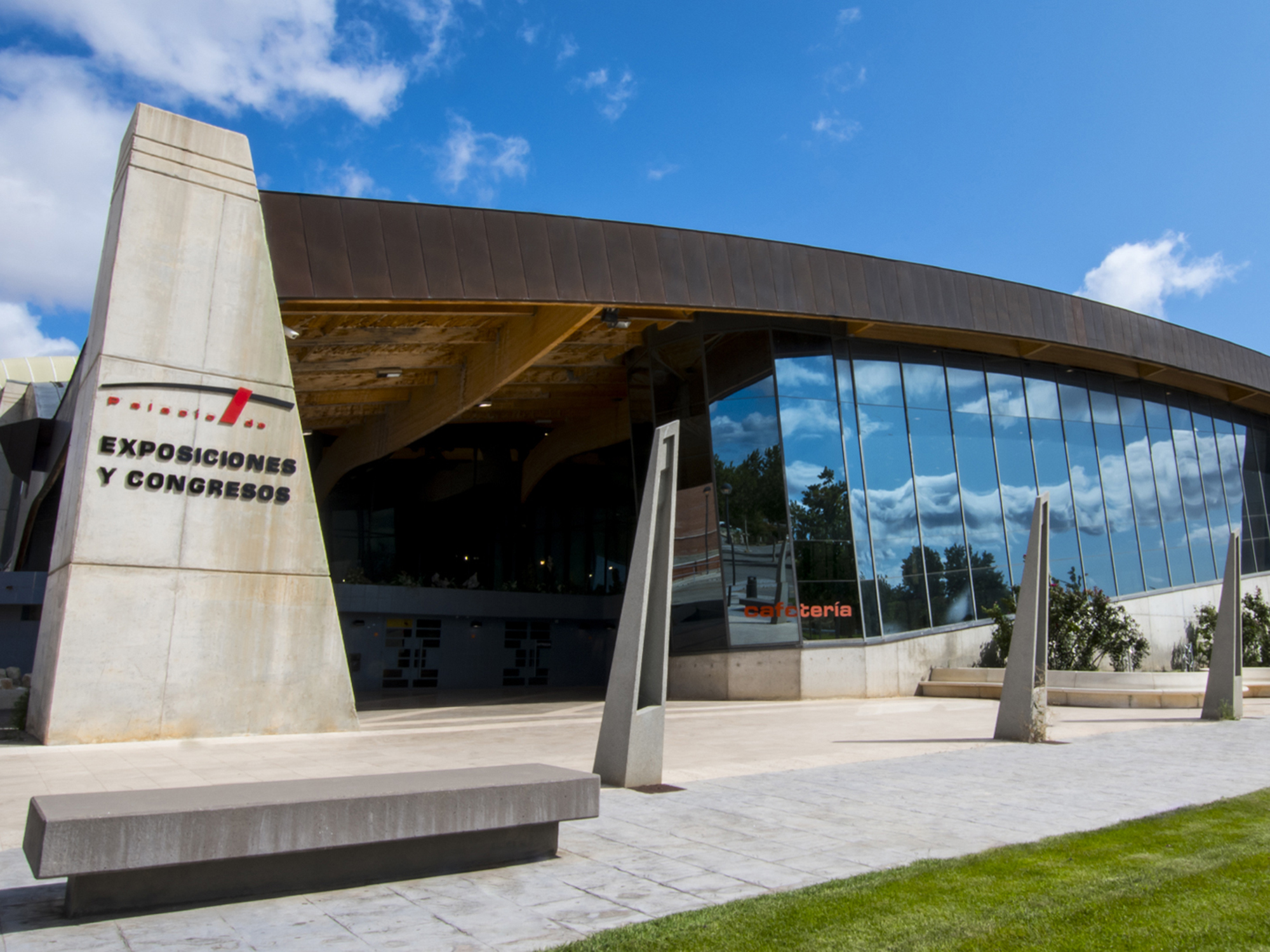
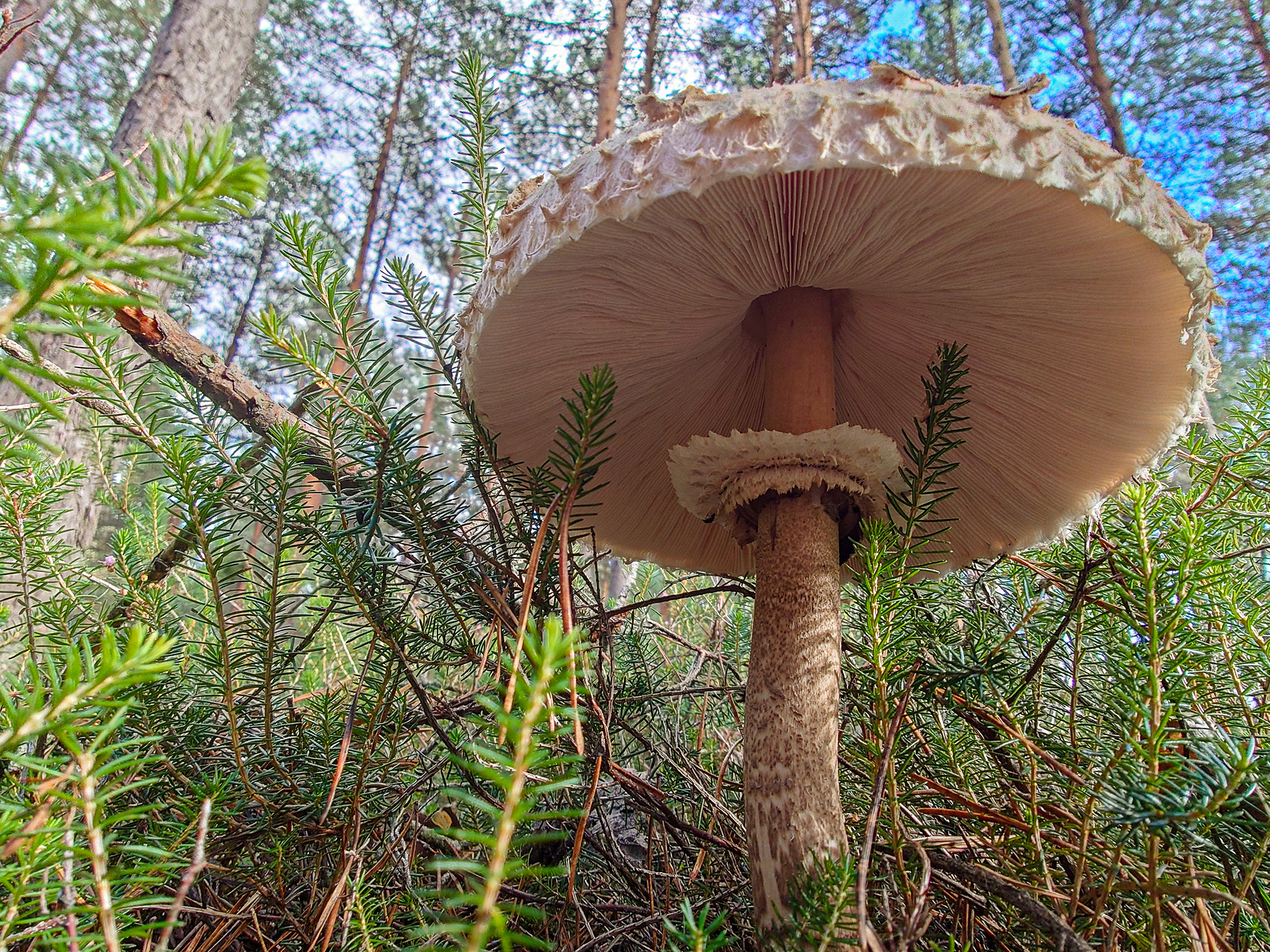
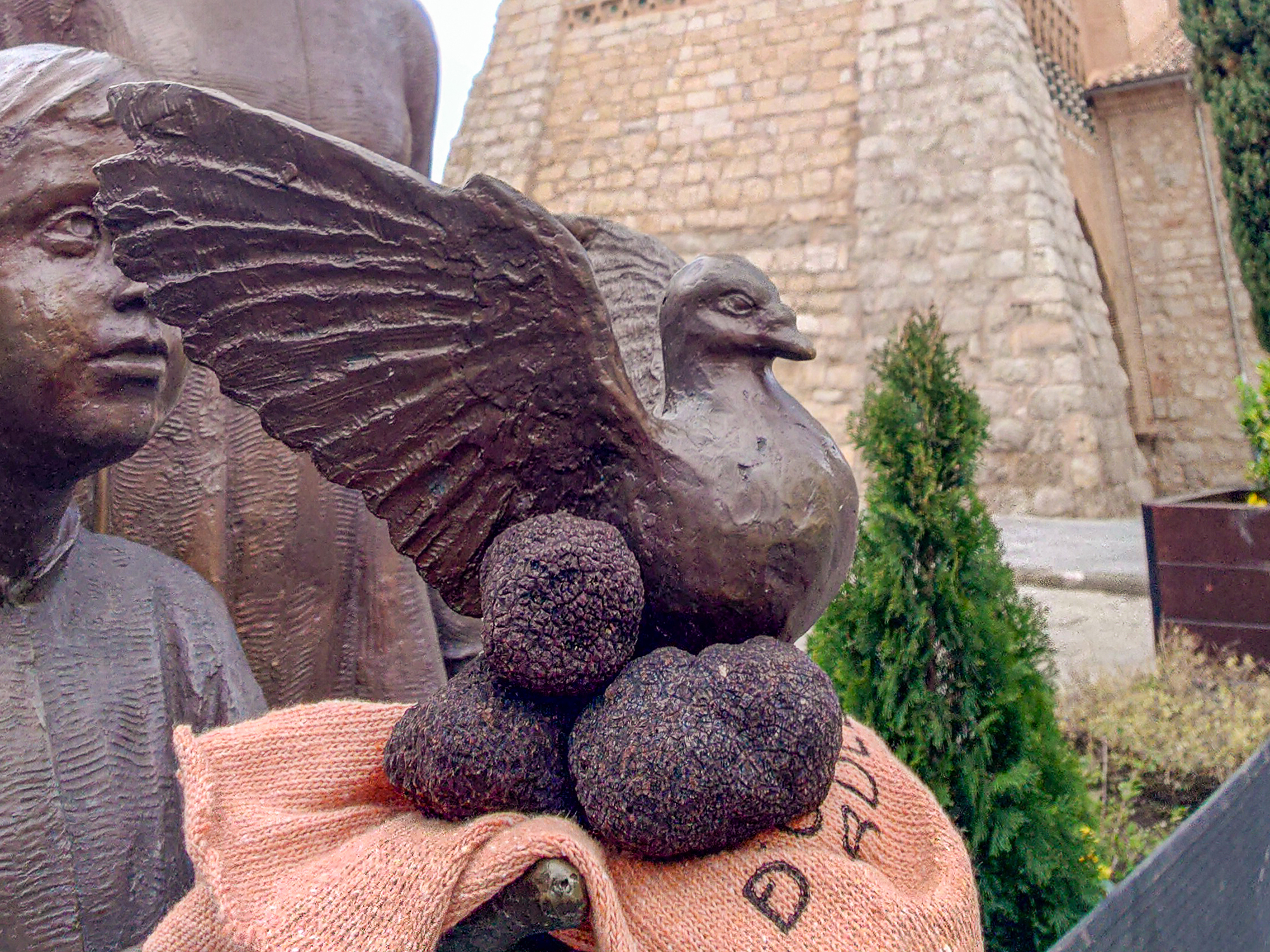
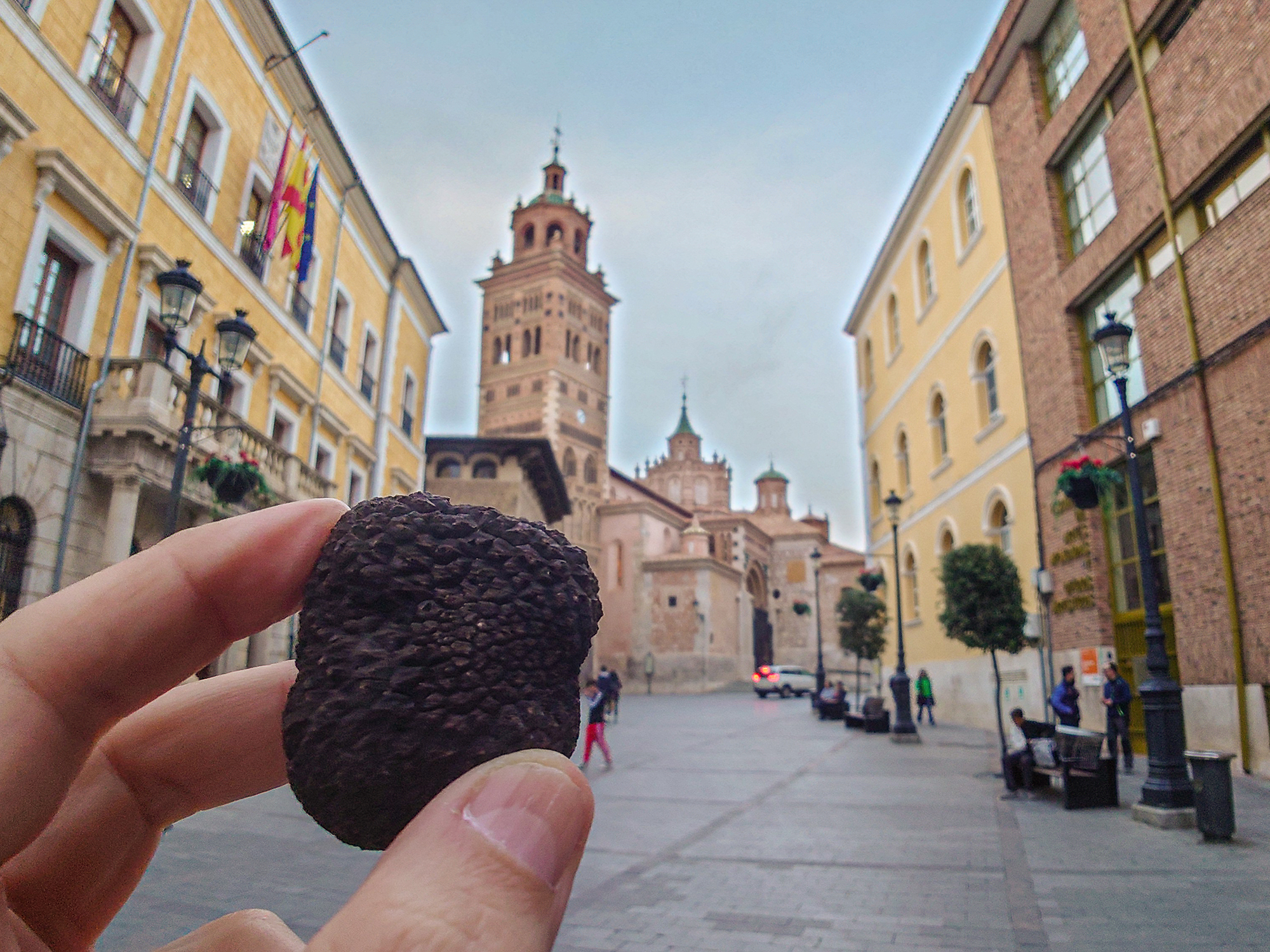

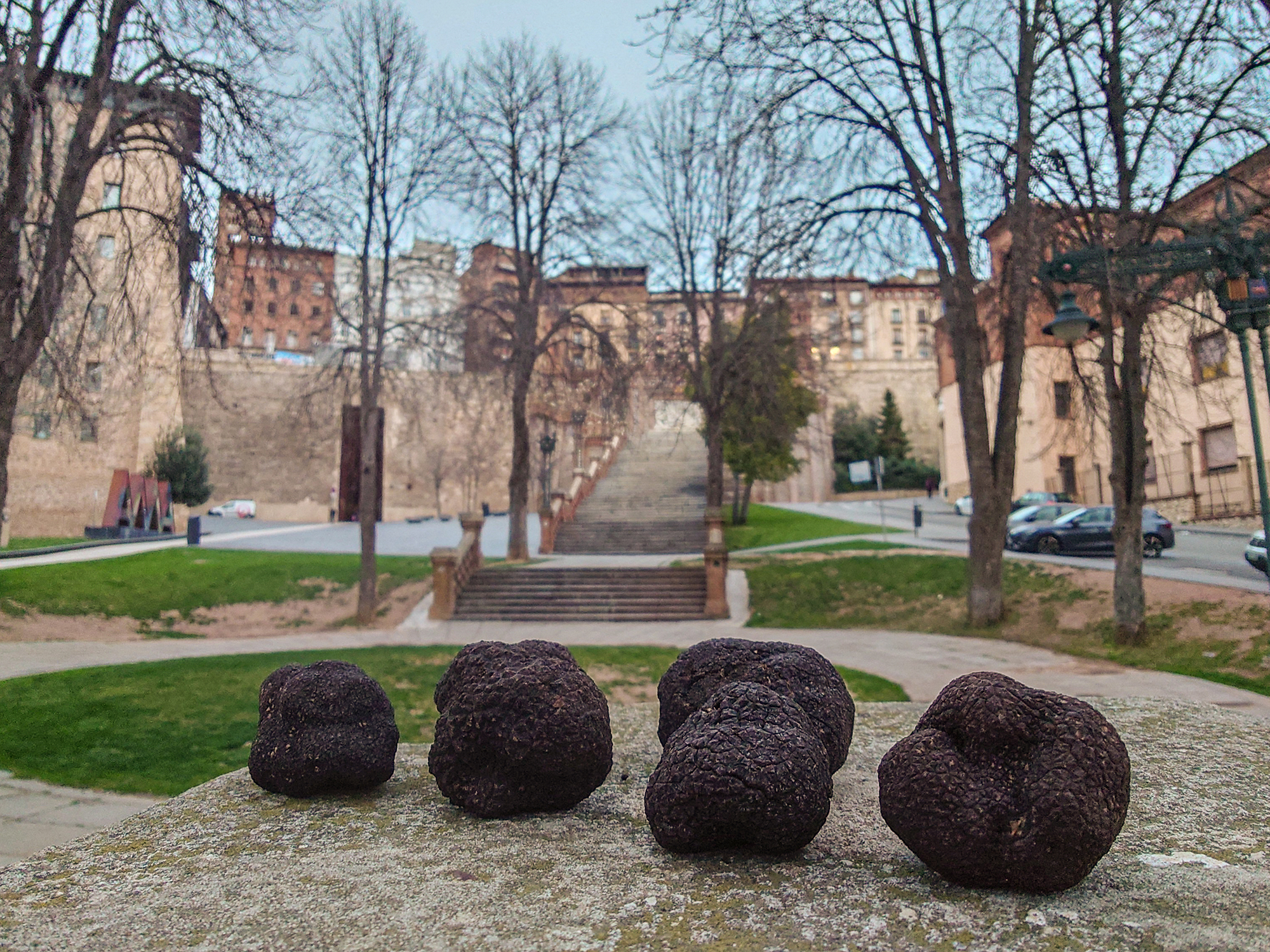
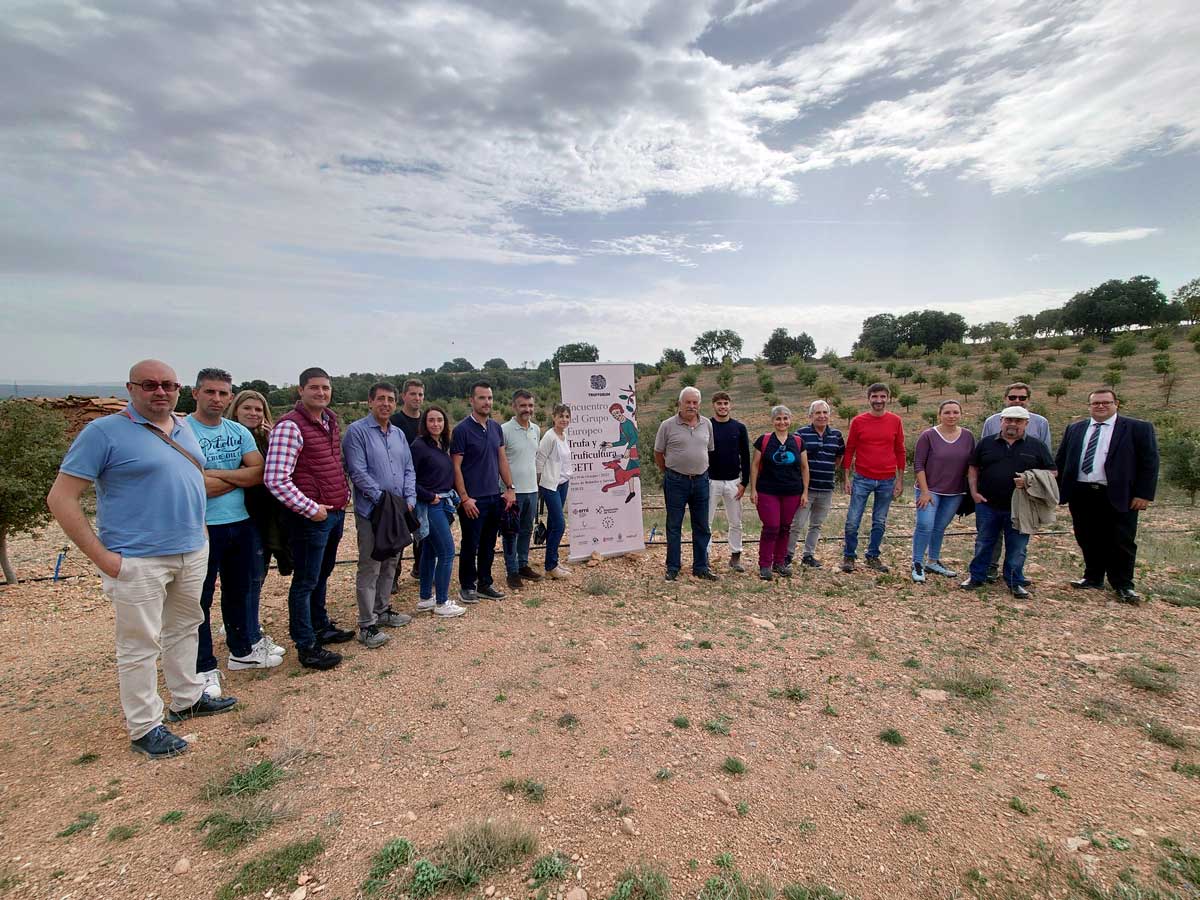
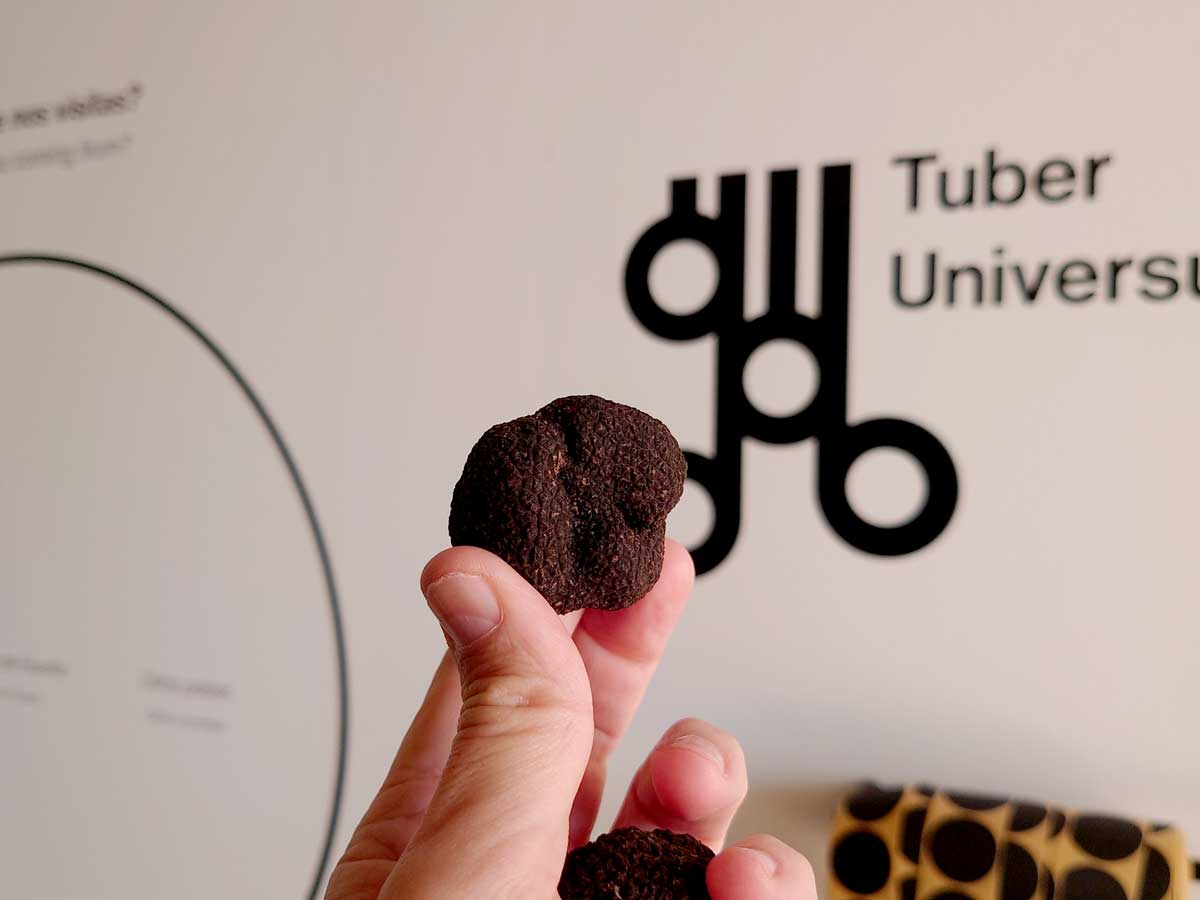
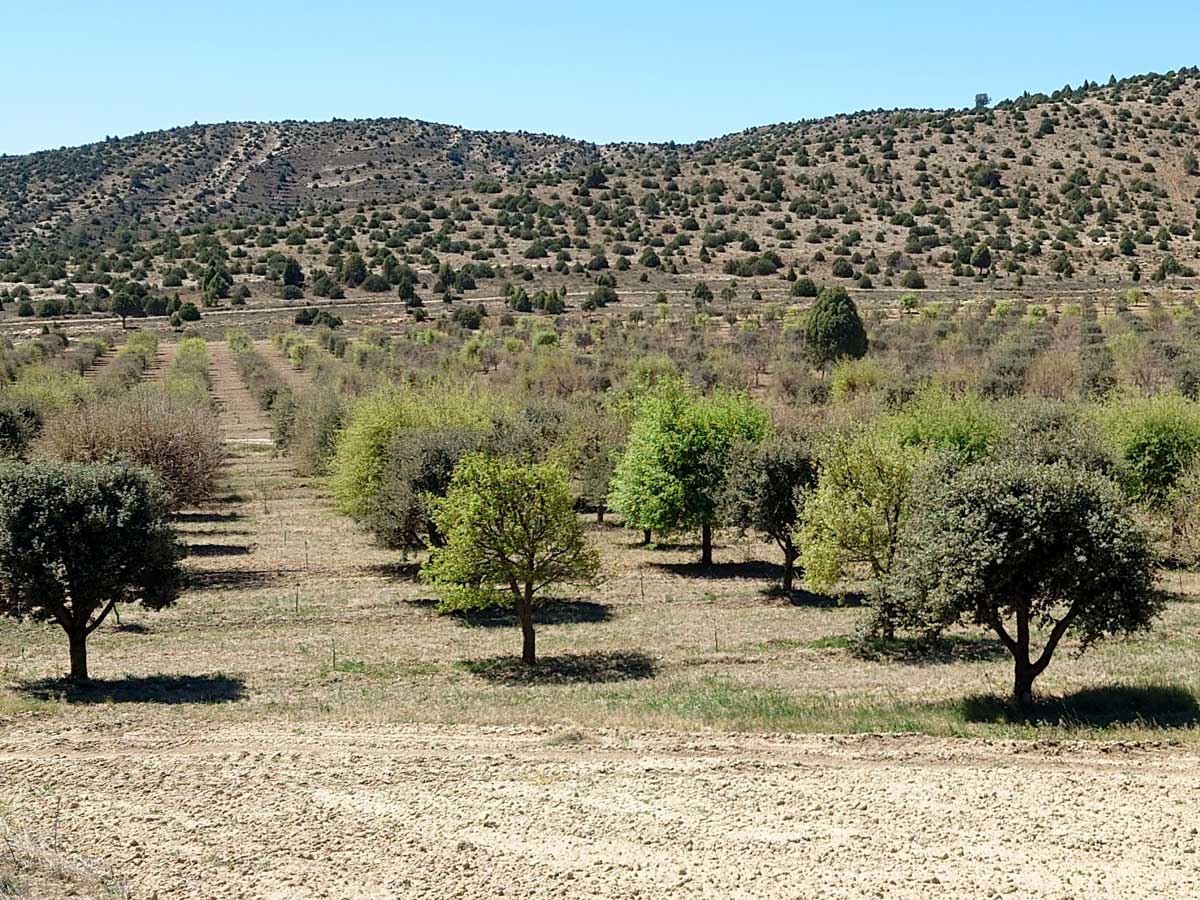
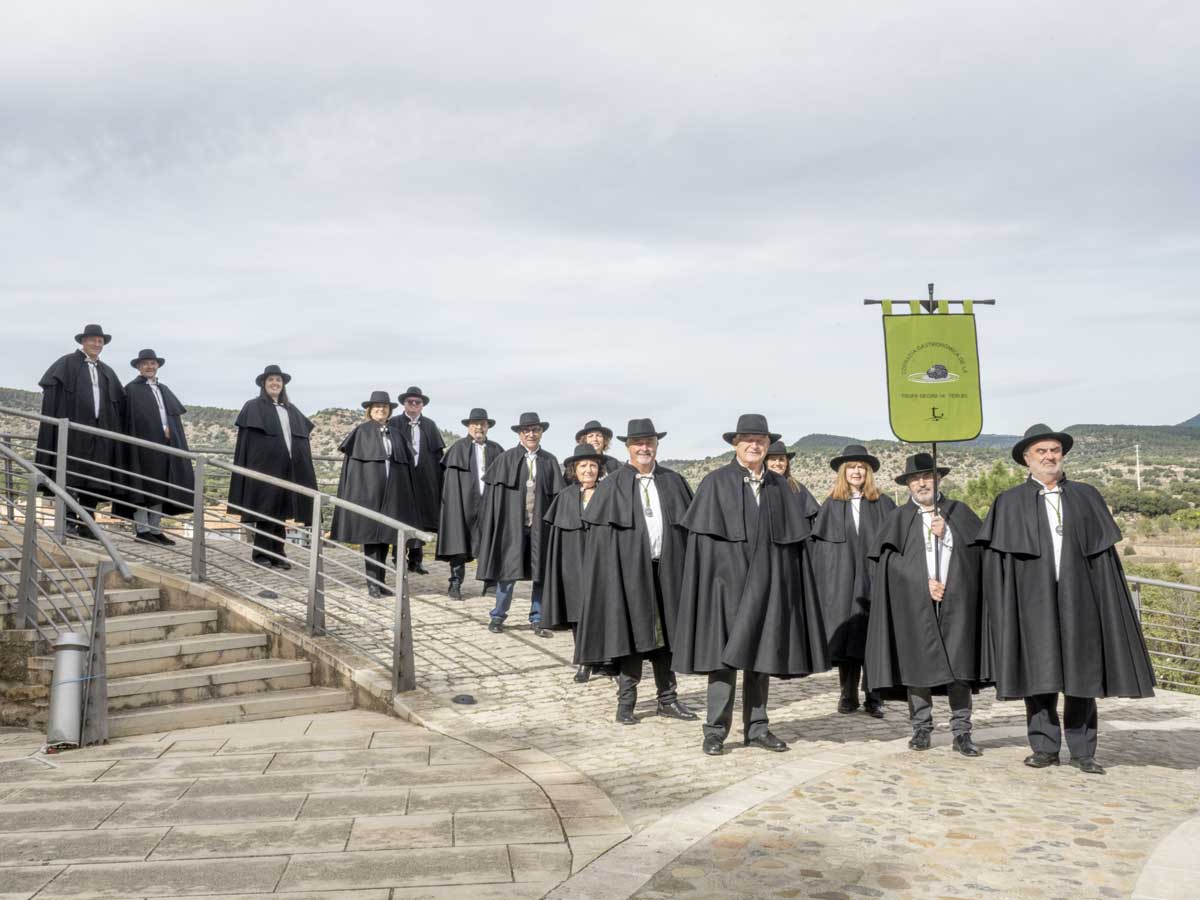
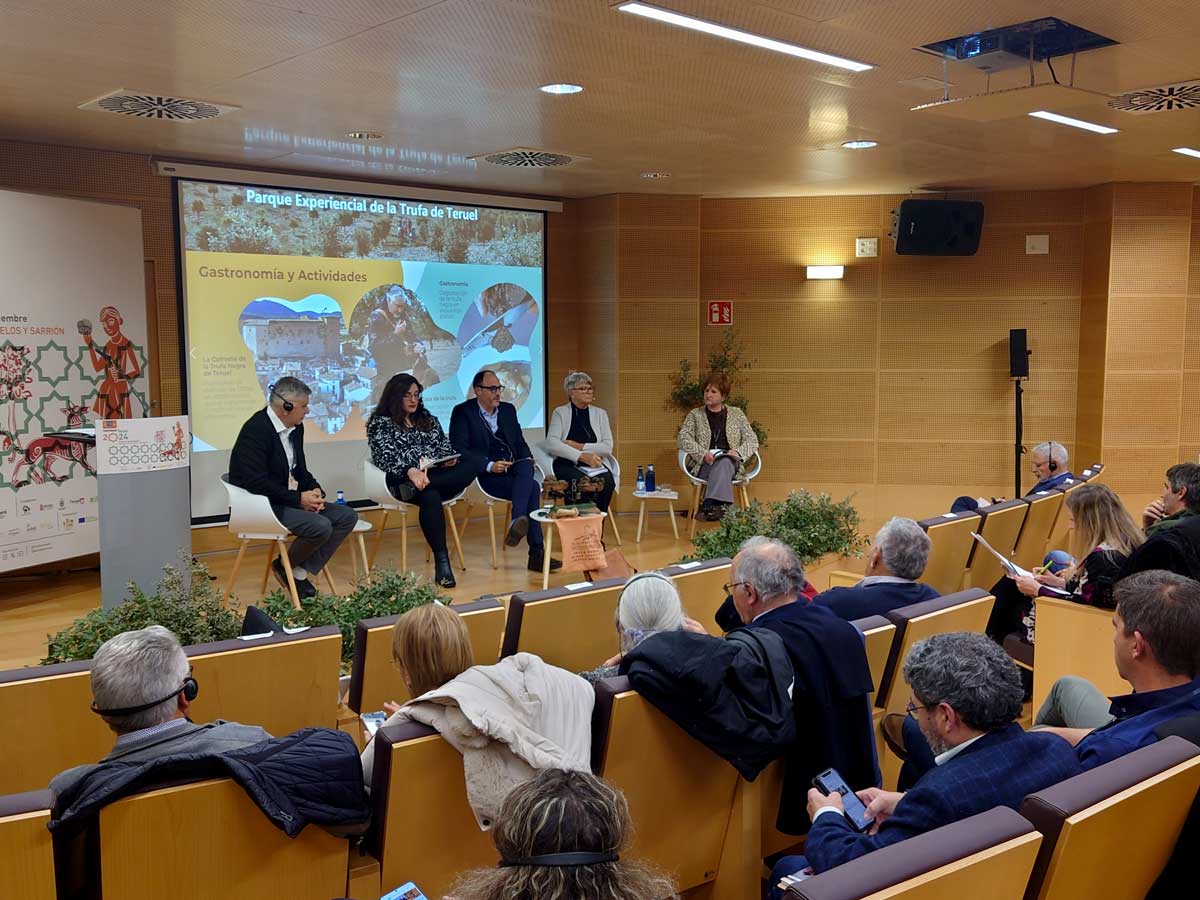
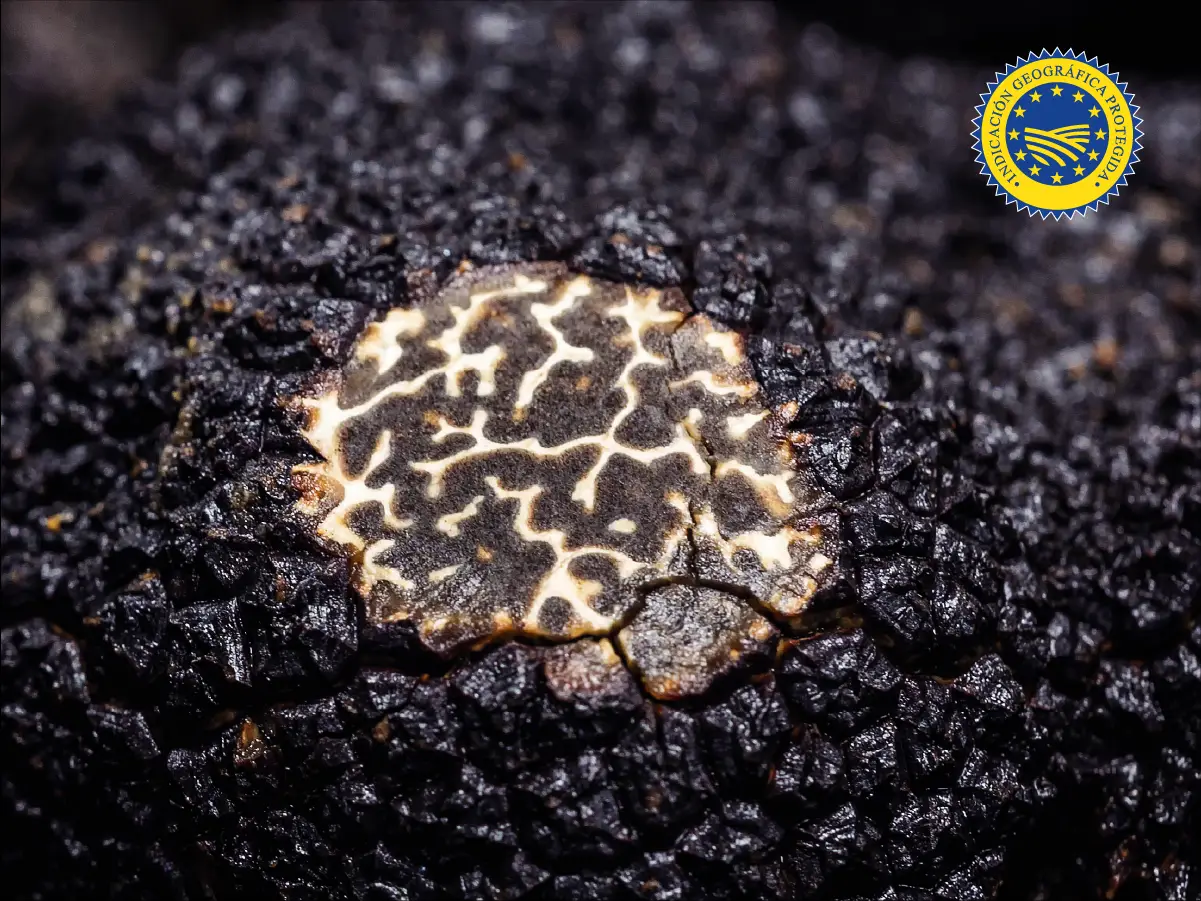
Teruel is an international reference in black truffle (Tuber melanosporum) cultivation and is currently the main black‑truffle‑producing territory in the world, a global benchmark for the development, innovation and professionalisation of the sector.
Its ecosystem of research institutions, companies, nurseries, irrigation communities and sectoral organisations integrates scientific knowledge with local expertise, contributing decisively to the professionalisation and international recognition of the truffle value chain.
Teruel also stands out for its dynamic and innovative business environment linked to truffle production and for the growing development of truffle tourism, which has become a distinctive element of its territorial identity and an emerging driver of rural development.
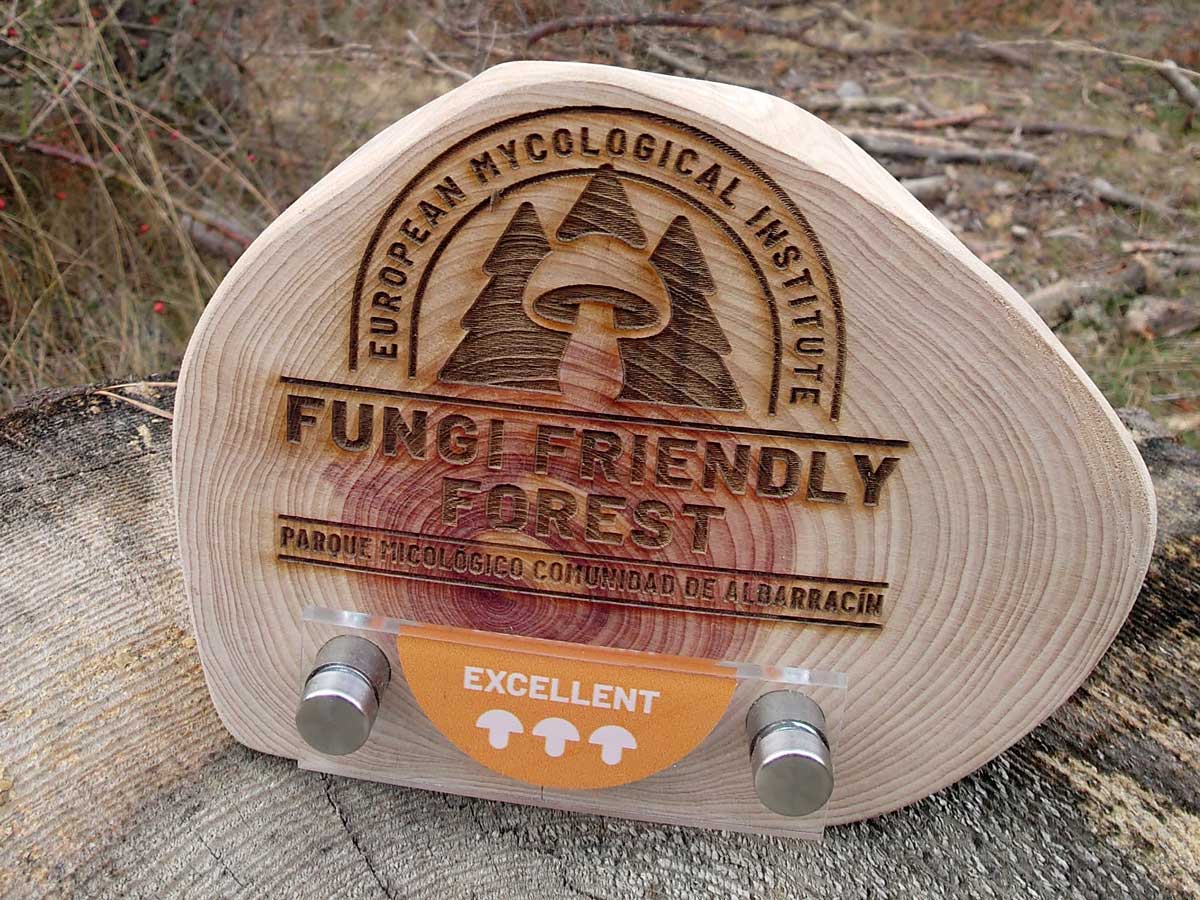
The province also plays an active role in the Fungi Friendly Forest (FFF) Network, an international initiative for the sustainable management of mycological territories driven by the European Mycological Institute (EMI).
Teruel is an international reference in black truffle (Tuber melanosporum) cultivation and is currently the main black‑truffle‑producing territory in the world, a global benchmark for the development, innovation and professionalisation of the sector.
Its ecosystem of research institutions, companies, nurseries, irrigation communities and sectoral organisations integrates scientific knowledge with local expertise, contributing decisively to the professionalisation and international recognition of the truffle value chain.
Teruel also stands out for its dynamic and innovative business environment linked to truffle production and for the growing development of truffle tourism, which has become a distinctive element of its territorial identity and an emerging driver of rural development.
The province also plays an active role in the Fungi Friendly Forest (FFF) Network, an international initiative for the sustainable management of mycological territories driven by the European Mycological Institute (EMI).